
The climate crisis is not a distant threat—it’s a present reality that demands immediate action from those who will inherit its consequences. The “What A Wonderful World” (WAWW) project is transforming how European youth understand and engage with environmental challenges. Through intensive learning activities, practical skills development, and community action, WAWW is cultivating the next generation of eco-literators committed to protecting our planet.
Understanding the WAWW Project Vision
What makes WAWW unique is its comprehensive approach to eco-literacy development. Rather than treating environmental education as a one-time workshop, WAWW creates sustained learning pathways that equip young people with genuine knowledge, practical skills, and the motivation to become environmental stewards.
The project’s core mission is clear: to empower European youth with eco-literacy skills while fostering a generation capable of making informed decisions for a sustainable future. This isn’t theoretical knowledge isolated in classrooms—it’s applied, hands-on learning rooted in real environmental challenges facing Europe today.
The Scale of WAWW’s Ambition
What A Wonderful World brings together six European partner countries in an intensive 24-month initiative. The numbers speak to the project’s scope and impact:
- 6 partner countries collaborating on environmental education
- 24 months of structured programming and resource development
- Multiple participants from each country engaging in intensive learning activities
- 50% target reduction in carbon and water footprint among direct participants within two years
- Four comprehensive learning modules (LTTAs) covering distinct environmental themes
This is not a small pilot program. WAWW represents a coordinated, multi-country effort to shift how young Europeans understand their role in environmental protection.
The Four Pillars: Understanding WAWW’s Learning Structure
WAWW operates through four intensive Learning, Teaching, and Training Activities (LTTAs), each focusing on critical environmental themes. Visit the project website at https://what-a-wonderful-world.eu to explore each module in detail.
LTTA 1: Climate, Water, and Forests
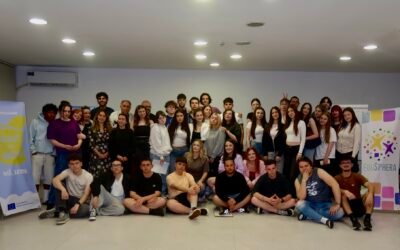
Held in May 2024 in Resita, Romania, the first learning activity brought 30 youth leaders together to explore the critical interconnections between climate change, water resources, and forest ecosystems.
Key elements included:
- Workshops on calculating and reducing personal water footprints
- Interactive sessions exploring forests’ role in climate regulation
- Field trips to local water treatment facilities and forest conservation areas
- Practical water-saving and forest protection techniques
- Development of the first draft of the Eco-Literacy Guide’s Volume 1
- A community tree-planting initiative that left lasting environmental impact
The outcomes were substantial. Participants developed deep knowledge about climate-water-forest interactions, created foundational educational materials, and established a network of committed eco-literators ready to implement water and forest conservation initiatives in their home communities.
Learn more: LTTA 1: Climate, Water, and Forests
LTTA 2: Climate and Gas
The second learning activity maintains focus on climate while examining energy systems and greenhouse gas emissions. This module deepens participants’ understanding of how energy choices impact carbon footprints and what alternatives exist for more sustainable living.
Learn more: LTTA 2: Climate and Gas
LTTA 3: Climate, Energy, and Eco-Garden
Connecting climate action to practical living spaces, this learning activity explores how renewable energy systems and sustainable food production through eco-gardens can contribute to individual and community-level environmental impact reduction.
Learn more: LTTA 3: Climate, Energy, and Eco-Garden
LTTA 4: Climate and Recycling
The final module focuses on circular economy principles, waste reduction, and recycling systems. Participants learn how consumption choices and waste management practices shape environmental footprints.
Learn more: LTTA 4: Climate and Recycling
What WAWW Develops: The Four Core Pillars
The project is built on four interconnected commitments that distinguish it within the Erasmus+ ecosystem:
We Develop: Eco-Literacy Skills
WAWW prioritizes skill-building that extends beyond environmental knowledge. Participants develop:
- Understanding of ecological principles and sustainable practices
- Ability to calculate and reduce personal carbon and water footprints
- Critical thinking about environmental policy and personal responsibility
- Leadership capacity to teach eco-literacy to others
- Confidence to drive environmental change in their organizations and communities
We Reduce: Carbon and Water Footprints
Moving from awareness to action, WAWW sets a measurable 50% reduction target for participants’ carbon and water footprints within two years of program completion. This transforms vague commitments to “sustainability” into concrete, trackable behavioral change.
We Create: The Eco-Literacy Guide
One of WAWW’s most significant outputs is the comprehensive Eco-Literacy Guide. This resource is not locked in a digital archive—it’s designed for active use by youth leaders across Europe, providing practical tools to teach eco-literacy effectively.
The guide is developed collaboratively across all four LTTAs, ensuring it reflects diverse environmental contexts, partner country expertise, and real-world youth engagement challenges.
Access the guide: Eco-Literacy Guide
We Engage: Building Awareness Beyond Participants
WAWW extends its impact through conferences, campaigns, and challenges that raise awareness in broader communities. While direct program participants are the primary focus, the project deliberately creates pathways for its message to reach organizations and communities that don’t directly participate in LTTAs.
Comprehensive Resources and Documentation
Project Documentary
WAWW documents its journey through video and multimedia content, capturing participant experiences, local environmental impact, and the human dimensions of eco-literacy development.
Explore: Project Documentary
Comprehensive Reports
For organizations, policymakers, and researchers seeking detailed analysis, WAWW publishes comprehensive reports documenting methodology, outcomes, participant feedback, and lessons learned.
Access: Comprehensive Reports
Project Resources
All WAWW materials—from workshop guides to educational content—are available for partners and organizations committed to eco-literacy education.
Browse resources: Project Resources
Who’s Behind WAWW: Partnership and Reach
WAWW unites organizations from six European countries, each bringing distinct environmental contexts and organizational expertise. This partnership model ensures that eco-literacy education reflects diverse ecosystems, policy landscapes, and youth work traditions across Europe.
From Balkan organizations addressing rapid environmental change to Western European partners leading circular economy initiatives, WAWW’s partnership creates a truly continental network.
Learn about partners: Project Partners
Why WAWW Matters: The Bigger Picture
Climate anxiety among European youth is real. So is the frustration of feeling powerless in the face of massive environmental challenges. WAWW directly addresses both by providing:
- Knowledge that builds confidence: When young people understand climate systems, water cycles, and energy alternatives, they move from anxiety to agency.
- Practical skills that create impact: Reducing personal footprints by 50% isn’t theoretical—it proves that individual action matters.
- Community networks for collective action: WAWW participants don’t return home isolated. They become part of a network of young eco-literators across Europe pursuing shared environmental goals.
- Leadership models for organizations: Youth leaders completing WAWW have demonstrated capacity to design and facilitate environmental education. Organizations hiring them gain team members who model environmental consciousness and commitment.
From Learning to Legacy: What Happens After WAWW?
The true measure of WAWW’s success won’t be visible immediately. It will emerge over the next five years as:
- Participants implement water and forest conservation initiatives in their communities
- Organizations incorporate eco-literacy into their core programming
- The Eco-Literacy Guide becomes a standard resource for European youth workers
- Young people who experienced WAWW model environmentally conscious decision-making for their peers
- Measured reduction in carbon and water footprints among participants demonstrates behavioral change
WAWW is not a project that ends when funding expires. It’s an investment in generational shifts in how young Europeans understand their relationship with the natural world and their capacity to protect it.
Taking Action: How to Engage with WAWW
For Youth Leaders and Organizations
If you work with young people and want to integrate eco-literacy education into your programming, WAWW resources are available. The Eco-Literacy Guide, project materials, and partner network provide frameworks for meaningful environmental education.
Start exploring: Visit https://what-a-wonderful-world.eu to access resources and connect with the project community.
For Policymakers and Researchers
WAWW’s comprehensive reports and documentary evidence provide data on effective approaches to youth environmental engagement within the Erasmus+ framework. If you’re designing environmental policy or youth programming, WAWW offers proven models worth studying.
For Every Young Person Reading This
You don’t need to be a formal program participant to embrace WAWW’s core message. Calculate your water footprint. Plant trees. Advocate for renewable energy. Connect with other young people committed to environmental protection. The project demonstrates that individual actions, multiplied across networks, create genuine environmental impact.
Conclusion: A Wonderful World Requires Wonderful Action
The title “What A Wonderful World” is both celebration and call to action. Our world has extraordinary ecosystems, diverse cultures, and remarkable people. Protecting it requires the knowledge, skills, and commitment that WAWW cultivates.
When six European countries unite to empower 30, 50, or hundreds of young eco-literators, they’re making an investment in the future. WAWW demonstrates that youth environmental action isn’t a luxury—it’s the foundation of any serious response to the climate crisis.
The movement has started. Young Europeans are learning. Forests are being planted. Water is being protected. Carbon footprints are being reduced. Communities are being engaged.
The question now is whether you’ll join them.
Discover What A Wonderful World today: https://what-a-wonderful-world.eu
0 Comments