
ARFID
From Niš to six communities: The story of FEAST for ARFID
As FEAST for ARFID draws to a close, we look back at the journey, from the first conversations in Niš to the ideas, resources and experiences carried into six local communities.
A meal can represent comfort, culture and connection. It can also be associated with anxiety, sensory discomfort, fear or misunderstanding. For people experiencing Avoidant/Restrictive Food Intake Disorder, better known as ARFID, these difficulties are often invisible to those around them.
This gap between what others see and what a person may actually be experiencing was the starting point of FEAST for ARFID.
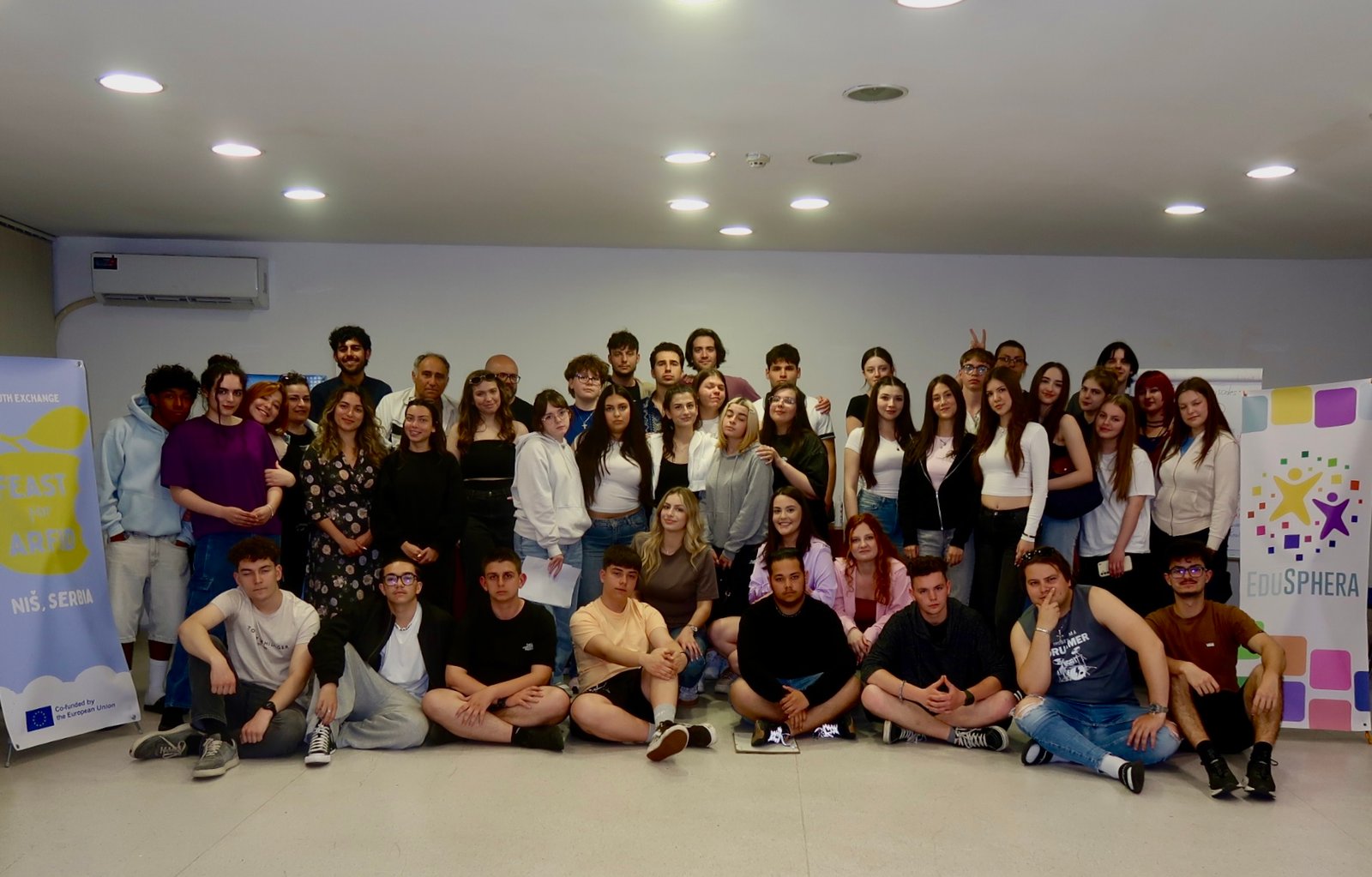
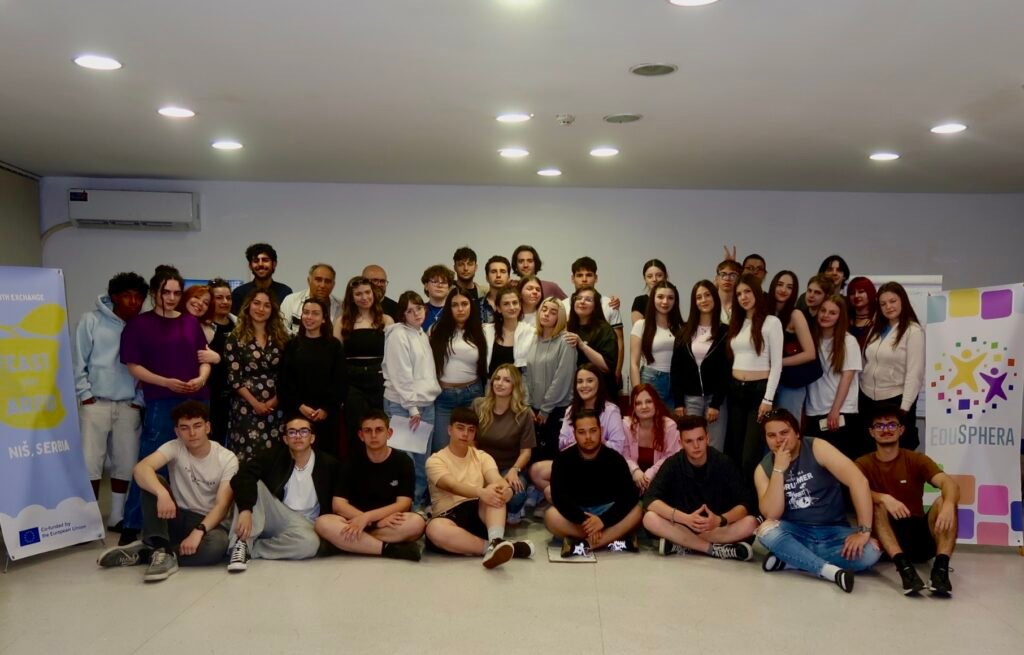
From 3 to 13 May 2026, young people and group leaders from Serbia, Romania, Bulgaria, North Macedonia, Portugal and Poland gathered in Niš, Serbia. They arrived with different experiences, levels of knowledge and cultural perspectives. Some were already familiar with eating disorders such as anorexia, bulimia or binge eating, while ARFID was completely new to many of them.
Through creative activities, group research, reflection and honest conversations, participants gradually began to look beyond the visible behavior and consider what a person might be thinking, feeling or struggling to communicate.
But FEAST for ARFID was not only about what happened during ten days in Niš. The ideas developed there became podcasts, educational materials and creative resources. They later travelled back to six local communities, where participants and partner organizations continued the conversation through local events.
Learning to look beyond the obvious
Participants researched, questioned, discussed and connected the subject with situations they recognized from their own communities and online environments.
As the activities progressed, many began to reconsider assumptions about eating disorders. Refusing or avoiding food was no longer viewed simply as being “difficult” or “picky.” Participants learned that eating-related behavior may be connected with sensory experiences, anxiety, fear of negative consequences, body-image pressure or other complex factors that cannot be understood through judgement alone.
This new knowledge also changed the way participants thought about communication. They practiced speaking about eating disorders without blame, shame or harmful labels and considered how to offer support without pressuring someone to eat, disclose personal information or accept unwanted advice.
The learning went beyond the main topic. Working in international groups helped participants develop their confidence, teamwork and intercultural communication. They created content together, contributed their own ideas and, in several cases, took responsibility for facilitating parts of the program. Recording and presenting their work also gave them opportunities to strengthen their public-speaking and digital communication skills.
Most importantly, participants did not leave with the expectation that they should diagnose or “fix” another person. They left with a better understanding of how to listen, respond compassionately and help create an environment in which seeking professional support feels safer.
Turning learning into something others can use
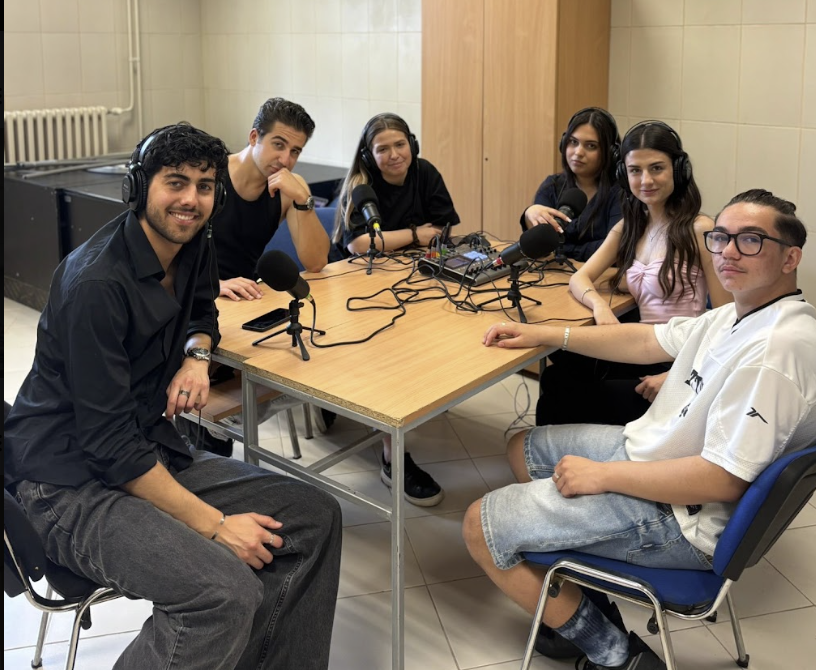
One of the main results was the FEAST for ARFID podcast, created and recorded by the participants themselves. Across ten episodes, they explored ARFID, other eating disorders and related experiences through accessible, youth-friendly conversations. Producing the podcast required participants to research their chosen subjects, decide how to communicate sensitive information responsibly, divide roles and learn how to turn what they had discovered into something meaningful for others.
For many participants, standing behind a microphone was also a learning experience of its own. They practiced expressing their ideas clearly, speaking with greater confidence and working together to develop episodes that were informative without becoming overly clinical or difficult to understand.
The second result was the Cultural Cookbook, which brought together recipes and contributions from Serbia, Romania, Bulgaria, North Macedonia, Portugal and Poland. Through the cookbook, participants shared part of their cultural heritage and discovered the stories, customs and memories connected with food in different countries.
Within a project focused on eating disorders, however, the cookbook carried an additional meaning. It showed that food can represent culture, belonging and connection while also recognizing that people experience food differently. What may feel comforting or familiar to one person can be difficult or overwhelming for another. This perspective helped participants approach the subject with greater sensitivity and respect.
Together, the podcast and cookbook captured what participants had learned, created and shared and made it possible for the conversations that started in Niš to continue after everyone returned home.
You can access here:
Cookbook – translated to partner countries’ languages
When the invisible became understood
At the beginning of the exchange, ARFID was unfamiliar to many participants. Some mainly associated eating disorders with body image, while others understood food avoidance as little more than “picky eating.” Over the following days, those assumptions gradually gave way to a more complex and compassionate understanding.
By the end, participants were better able to distinguish ARFID from other eating disorders, recognize how it can affect everyday life and identify why certain comments or assumptions may be harmful. They also became more conscious of how to discuss eating-related difficulties respectfully, both in personal conversations and in public or online spaces.
Their final reflections captured this change in a much more personal way. One participant wrote that, before the exchange, they had not even known what ARFID was, but had come to understand it as a struggle that can affect someone “mentally, physically and emotionally.” Another said they would now be more mindful around people perceived as picky eaters and avoid rushing to make comments.
The learning was also visible in participants’ confidence. Creating and recording the podcast encouraged them to explain sensitive topics clearly, speak in front of others and move beyond their comfort zones. As one participant proudly reflected: “I don’t like presenting and speaking in front of people, but I did.” These changes in knowledge, empathy, communication and confidence were among the most meaningful results participants carried home with them.
The knowledge travelled home
Leaving Niš did not mean leaving the project behind. Participants returned home carrying new knowledge, personal experiences and two resources they had helped create and the next step was to share them with others.
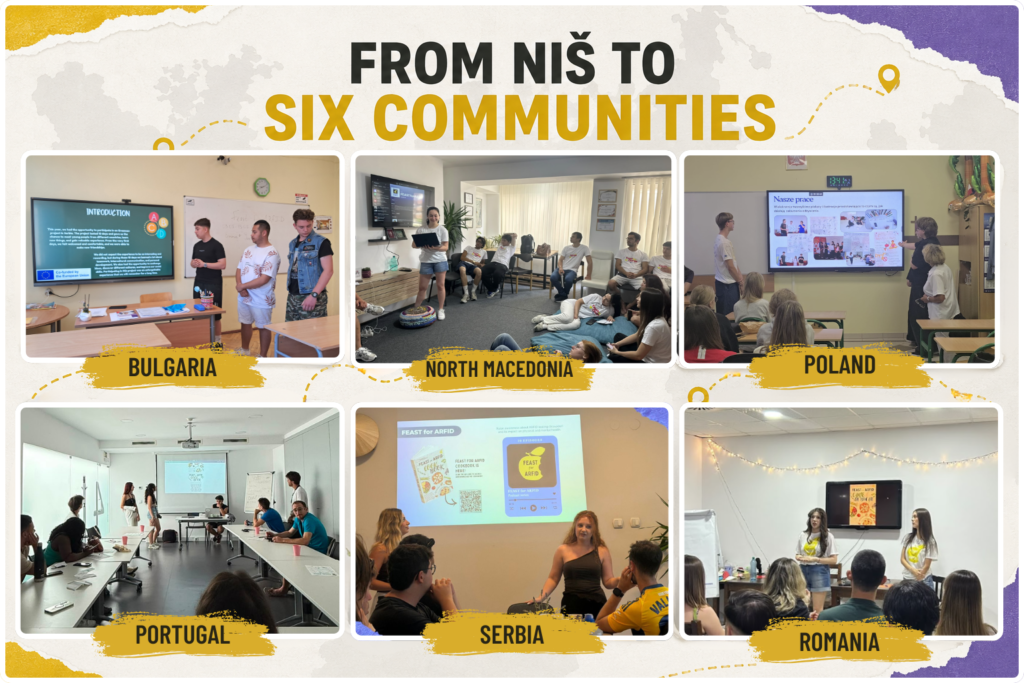
Across Bulgaria, North Macedonia, Poland, Portugal, Romania and Serbia, the story of FEAST for ARFID entered new spaces. It reached students in schools, young people gathered in a youth centre and members of different local communities.
Participants spoke about what they had experienced and learned in Niš, introduced ARFID and the challenges surrounding eating disorders and presented the podcast and Cultural Cookbook. These gatherings allowed others to ask questions, discover a frequently overlooked condition and reflect on the importance of responding without judgement or harmful assumptions.
The exchange also continued online. Participants organized virtual events for members of their communities, making it possible to reach people who could not attend an in-person gathering and opening the conversation to a wider audience.
In this way, participants became people capable of carrying knowledge forward. What began as one exchange in Niš gradually became a series of local conversations across six countries, shaped by the voices and communities that welcomed it home.
What we carry forward
FEAST for ARFID may be drawing to a close, but the understanding it created does not have to end with it. Every time someone pauses before calling another person “picky,” chooses a more compassionate response, shares a podcast episode or introduces the Cookbook to a new audience, the conversation continues.
The next step belongs to everyone the project has reached: to keep sharing accurate information, questioning harmful assumptions and creating spaces where experiences that are often invisible can be heard and understood. The exchange began by encouraging people to look beyond what they could immediately see. Its lasting impact will be found in how many of us continue to look closer, listen more carefully and respond with empathy.
0 Comments