
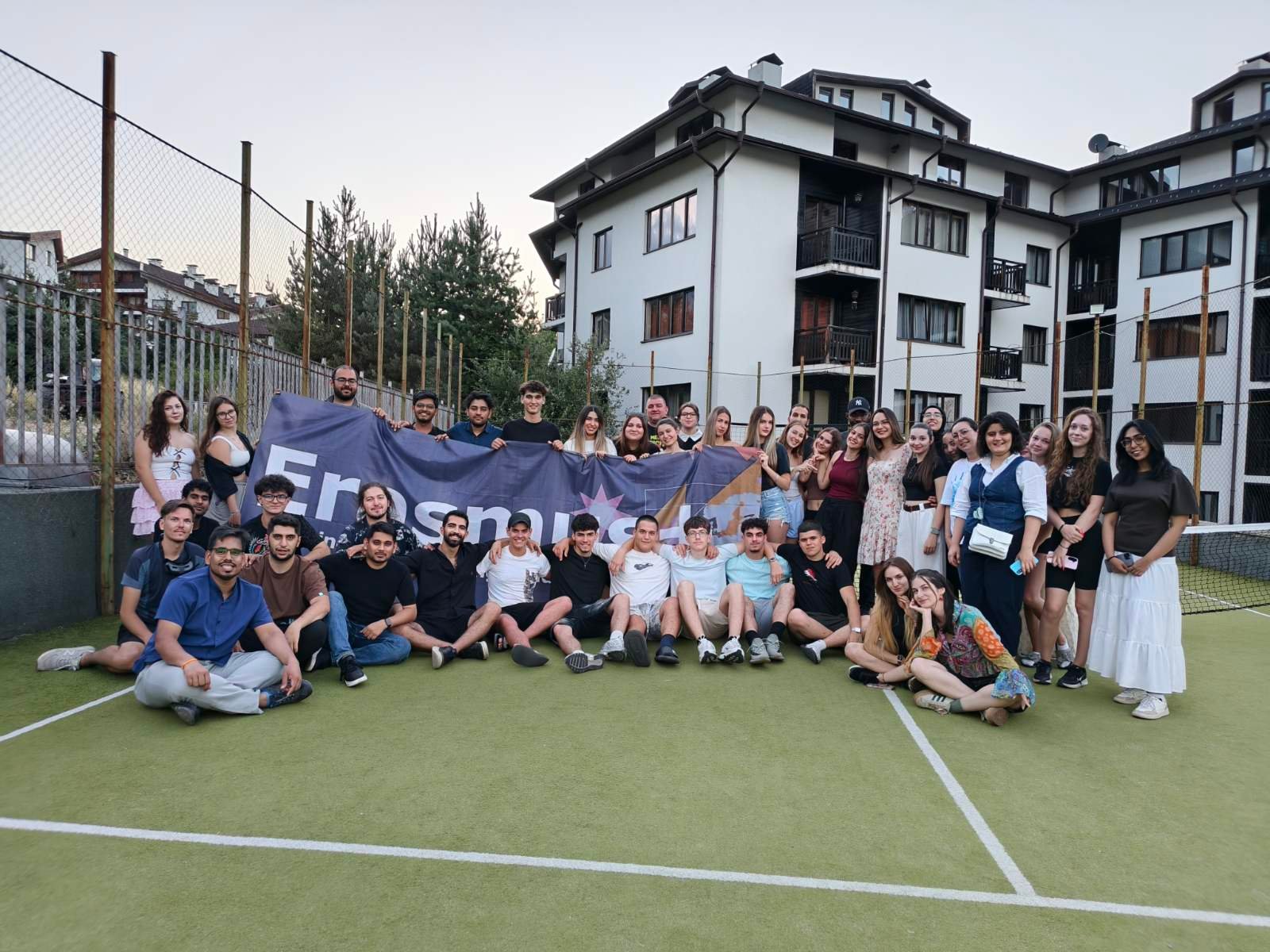
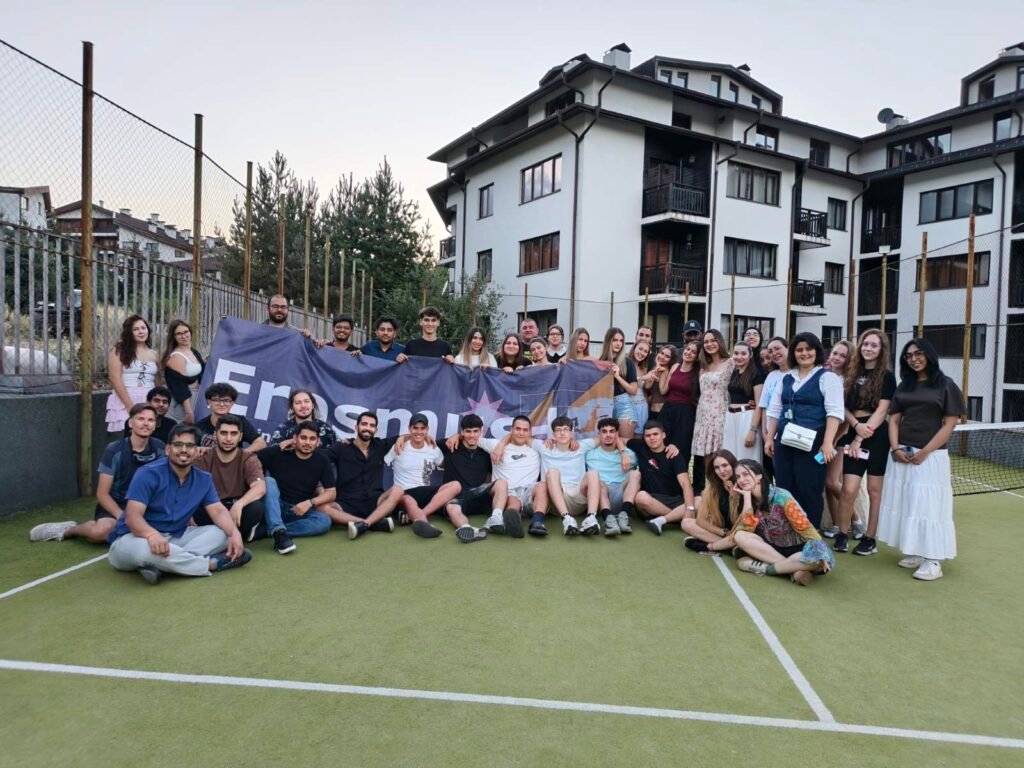
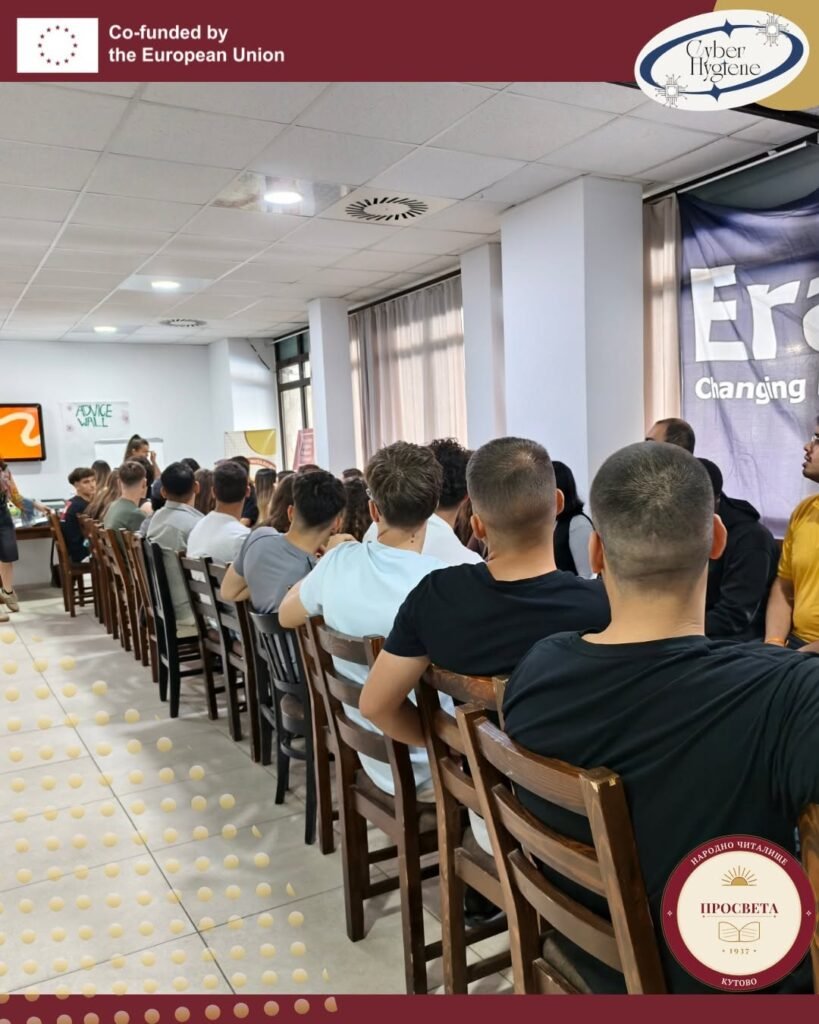
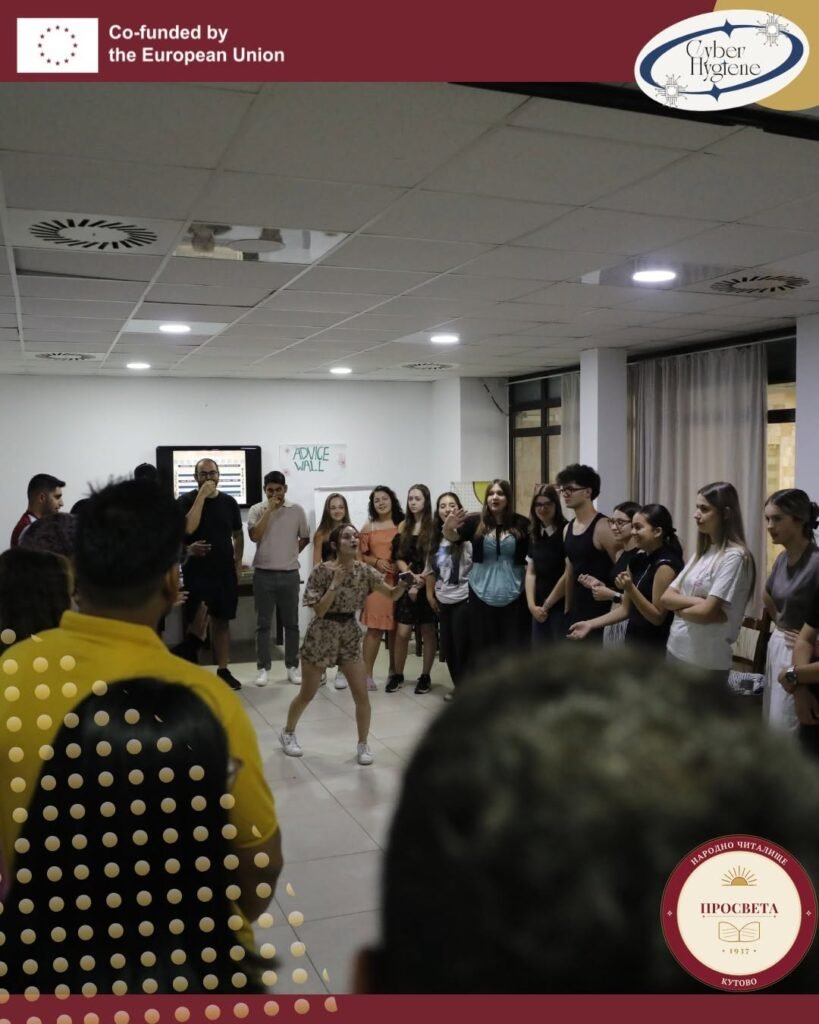
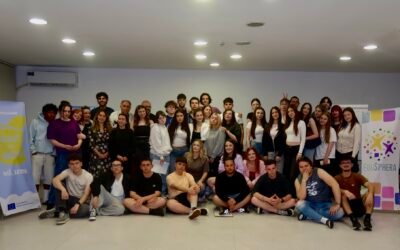
There is a moment in every youth exchange when a room full of strangers stops being a room full of strangers. In Bansko, it happened somewhere between a name game and a dance-off on the very first evening — and everything that followed was built on it.
“Cyber Hygiene” brought together young people from Germany, Romania, Hungary, Serbia, Bulgaria and Türkiye for a week in the Bulgarian mountains, around one shared question: how does a person actually stay safe in the digital world? Not in theory, and not as a lecture, but as something lived every single day, with a phone in hand and half of life happening online.
The project also marked an important milestone: it was the first Erasmus+ project ever implemented by the chitalishte, a first step that turned into a week none of the participants will forget.
From strangers to a team
The opening days belonged to connection. Ice-breakers, the “Guess My Answer” game, a Human Museum of ridiculous sculptures, a “Mission Impossible” team challenge — and secret-friend envelopes on the wall, quietly turning a group of individuals into something warmer.
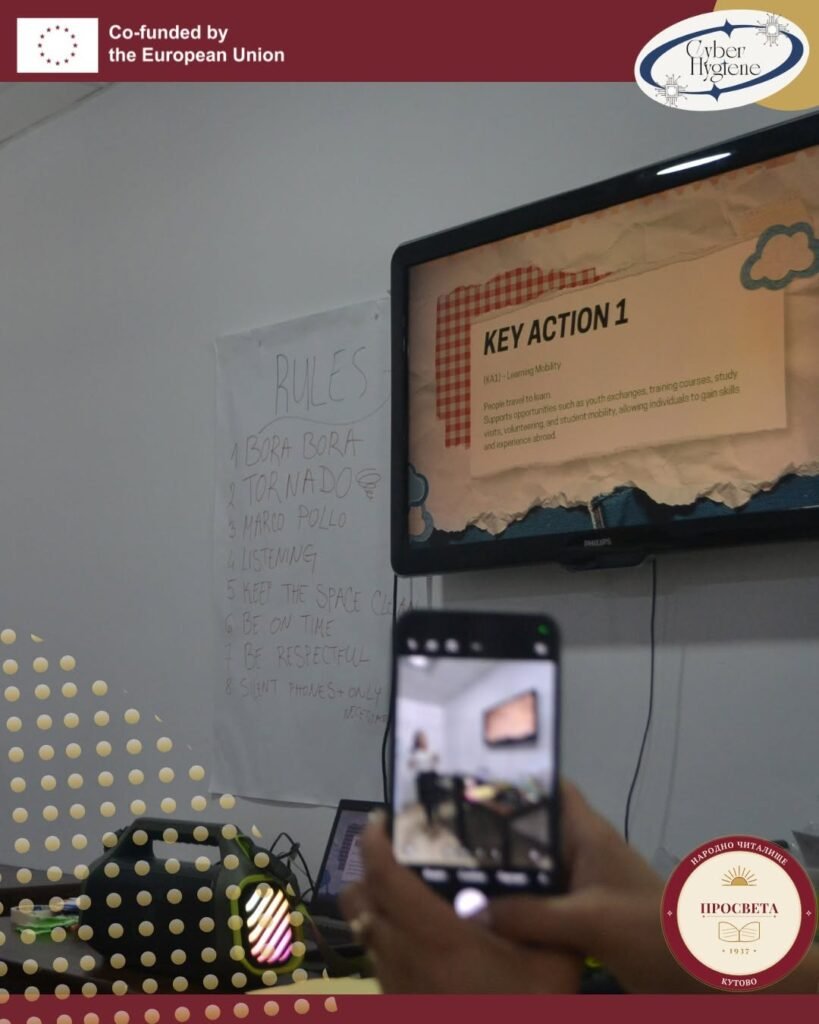
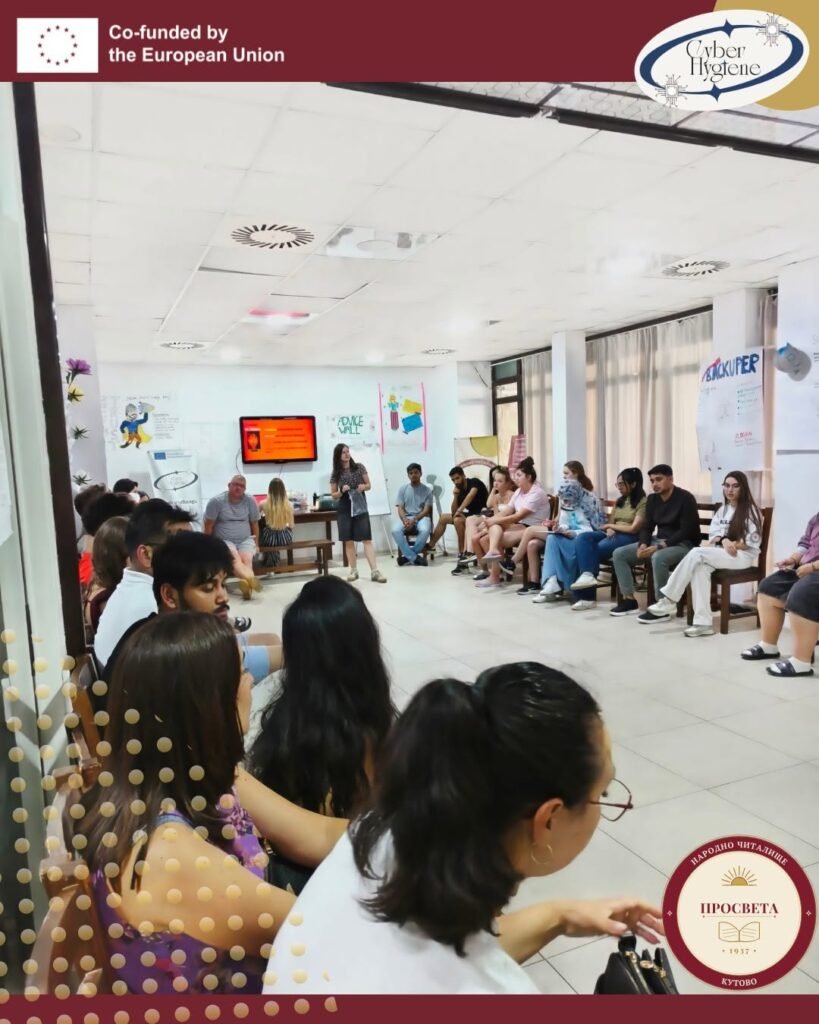
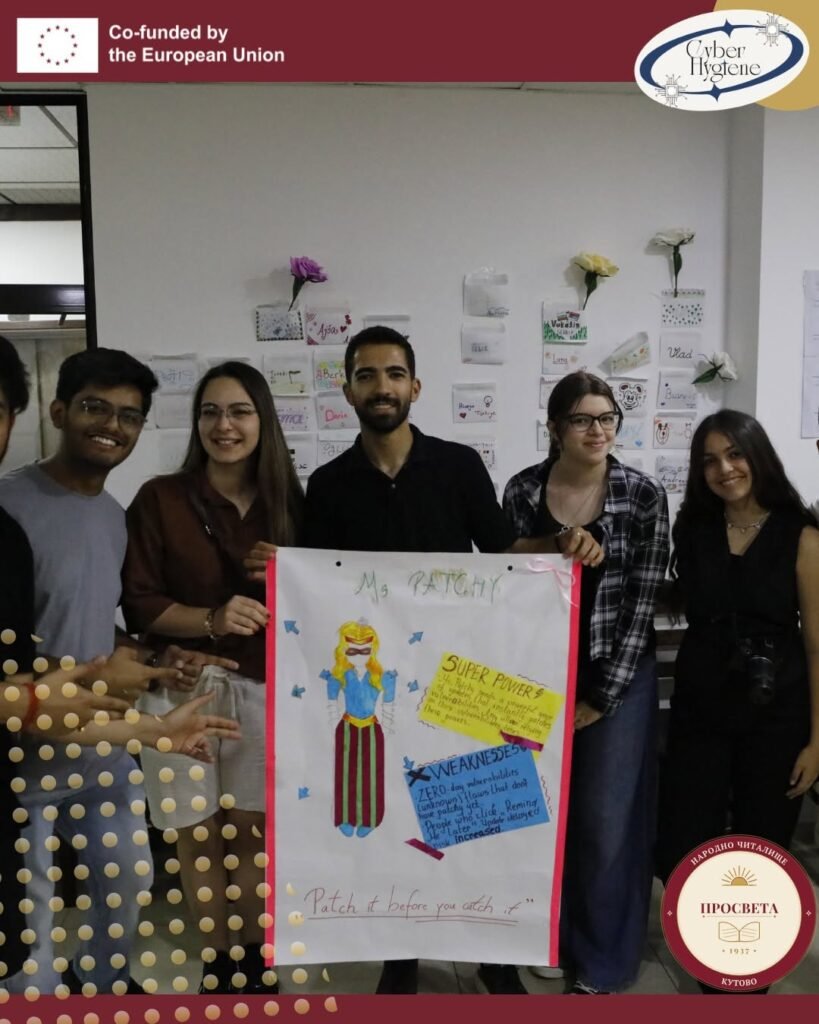
From there the exchange stepped into Erasmus+ itself. Participants set off on a “Competence Planets” hunt, unlocking eight planets hidden outdoors, each guarded by a task tied to a different key competence, and discovering along the way what the Youthpass really means. In a lively World Café they moved from table to table, trading personal stories about online behaviour, before teaming up by country to map the most common scams, the cybercrime laws and the practical advice from each nation. The first creative output came soon after: having explored the core principles of online safety, each participant designed their own character — a guardian of internet safety — and presented it to the group.
Going deeper: threats, footprints and fake news
The middle of the week was where things got serious, and somehow even more engaging.
Working in groups, participants ranked online dangers on a cyber threats tier list, from S-tier for the most devastating down to D-tier for the least harmful. Almost everything landed at the top, and the conclusion was unanimous: no cyber threat is truly harmless.
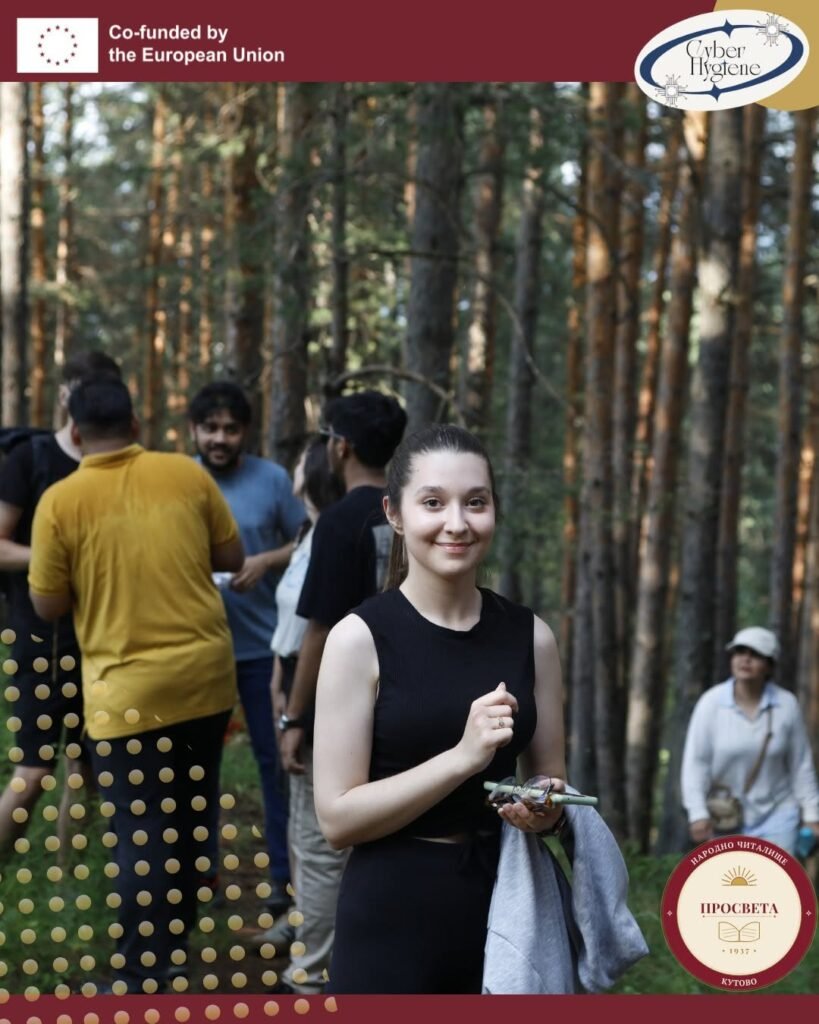
That led straight into the digital footprint and the game “Google Me If You Can”. After separating active traces from passive ones, participants built “trees of impact”, where the trunk stood for the visible problem, the roots for its hidden causes, and the branches and leaves for its consequences. A whole digital forest grew on the wall — and then the group walked into a real one, closing the day with a mental-health walk and a quiet reflection in nature. Time was also given to the local community, and to the question of how young people can be active and useful in the places they come from.
Later in the week came fake news and misinformation. Participants tested themselves on the European Parliament’s platform, then turned into media companies for a round of “Two Lies and a Truth”, writing headlines convincing enough to fool each other and learning to recognise clickbait, sensationalism and the small red flags that give a false story away. Honest conversations followed about AI slop and the responsible use of AI tools. In the afternoon the group leapt forward to the year 2055, where participants became news reporters sending warnings back to the present about where careless digital habits could lead.
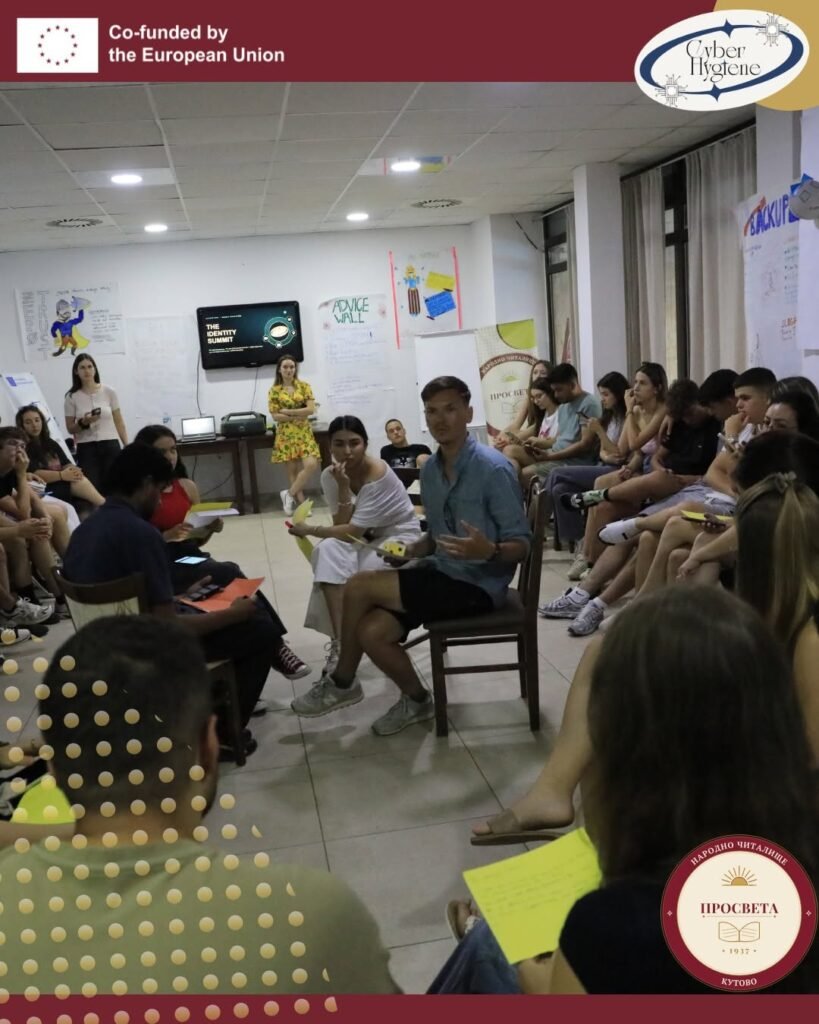
The week’s most ambitious activity was “The Identity Summit”: a full role-play negotiation in which tech companies, governments, NGO activists, citizens and a city council with the deciding vote debated whether digital IDs should become mandatory and online anonymity should end. After a long and genuinely heated discussion, the final call was no digital IDs.
Six countries, three evenings
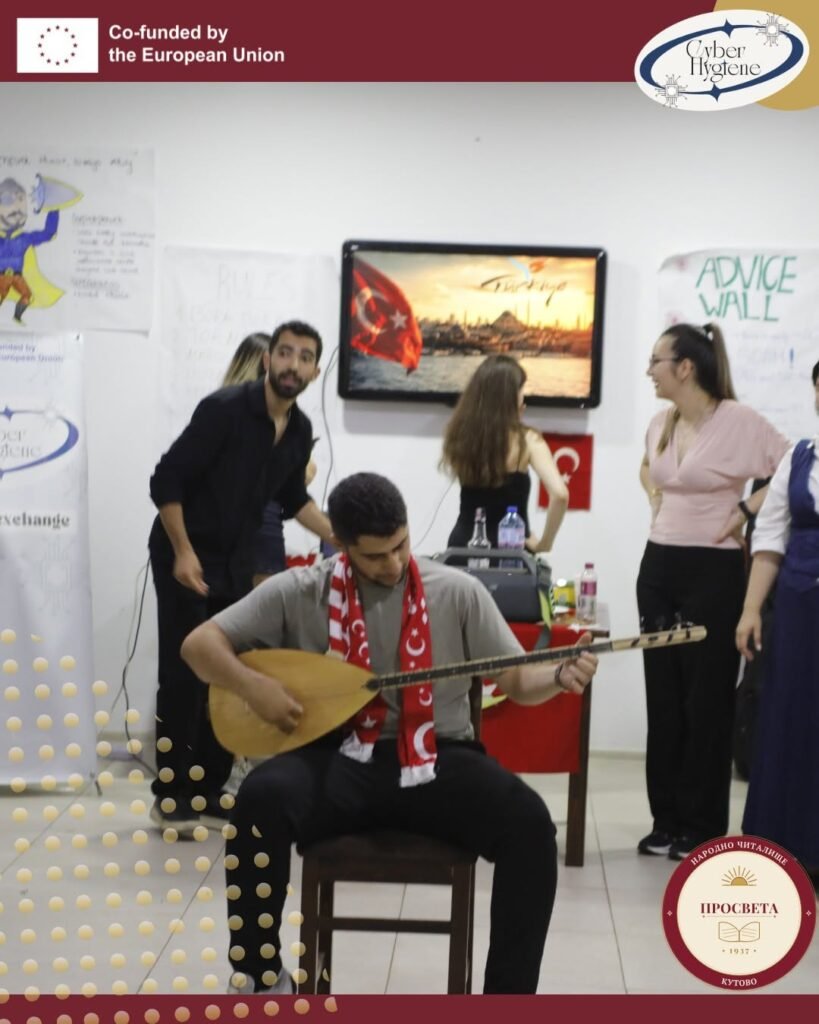
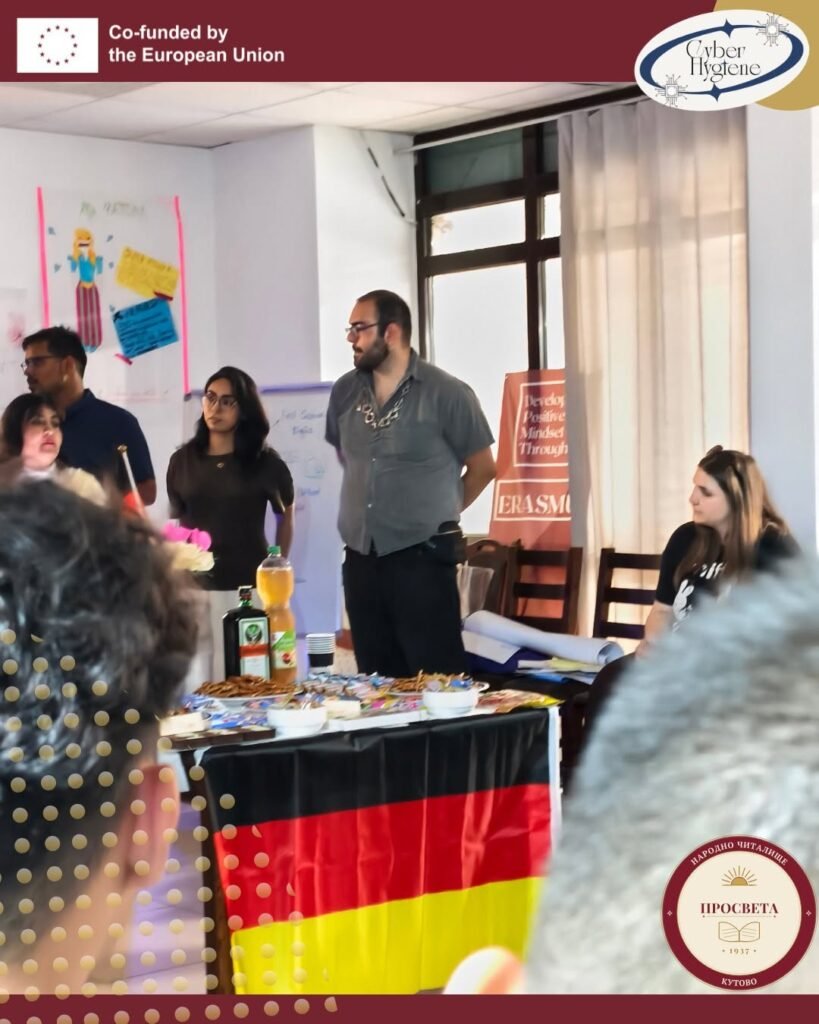
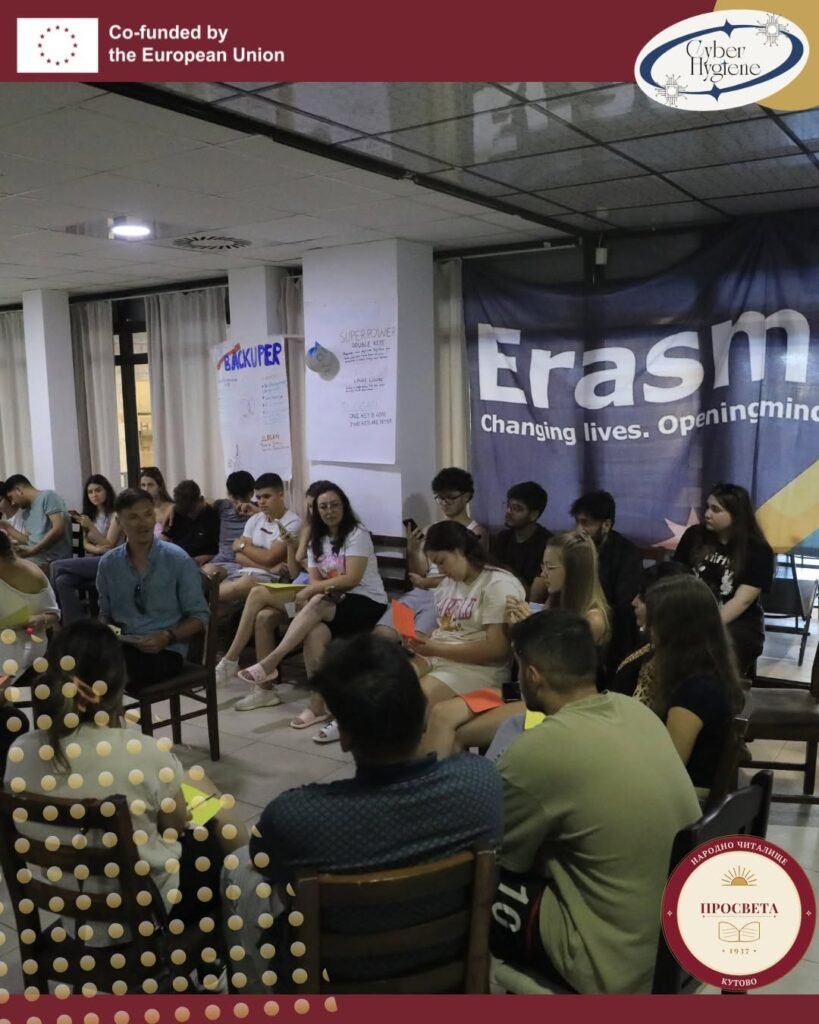
Some of the most valuable learning happened after the sessions ended. Across three Intercultural Nights, participants shared the food, music, games, dances and traditions of their countries, and discovered how much six cultures have in common once the tables are set.
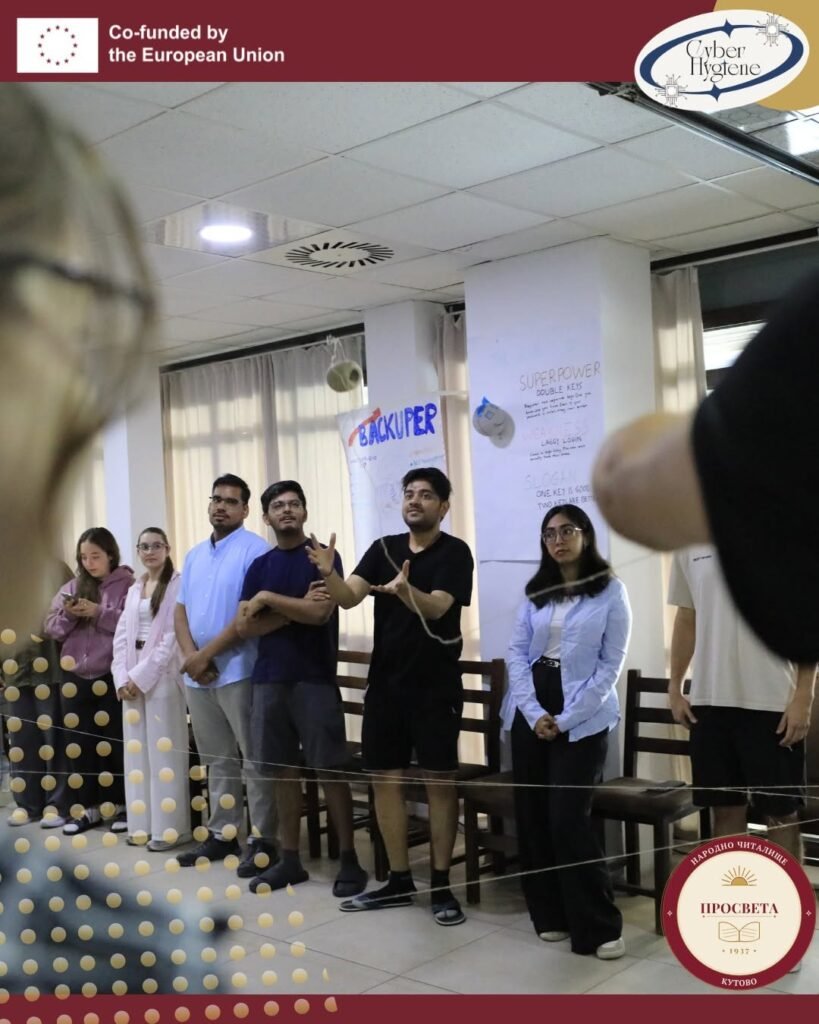
The exchange closed gently: a yarn web of memories passed from hand to hand, the long-awaited secret friend reveals, and a candlelight reflection that turned a week of learning into something personal.
What the participants created
“Cyber Hygiene” was never meant to end in Bansko. Two concrete results came out of the exchange, both made by the young people themselves and both designed to keep working long after everyone flew home.
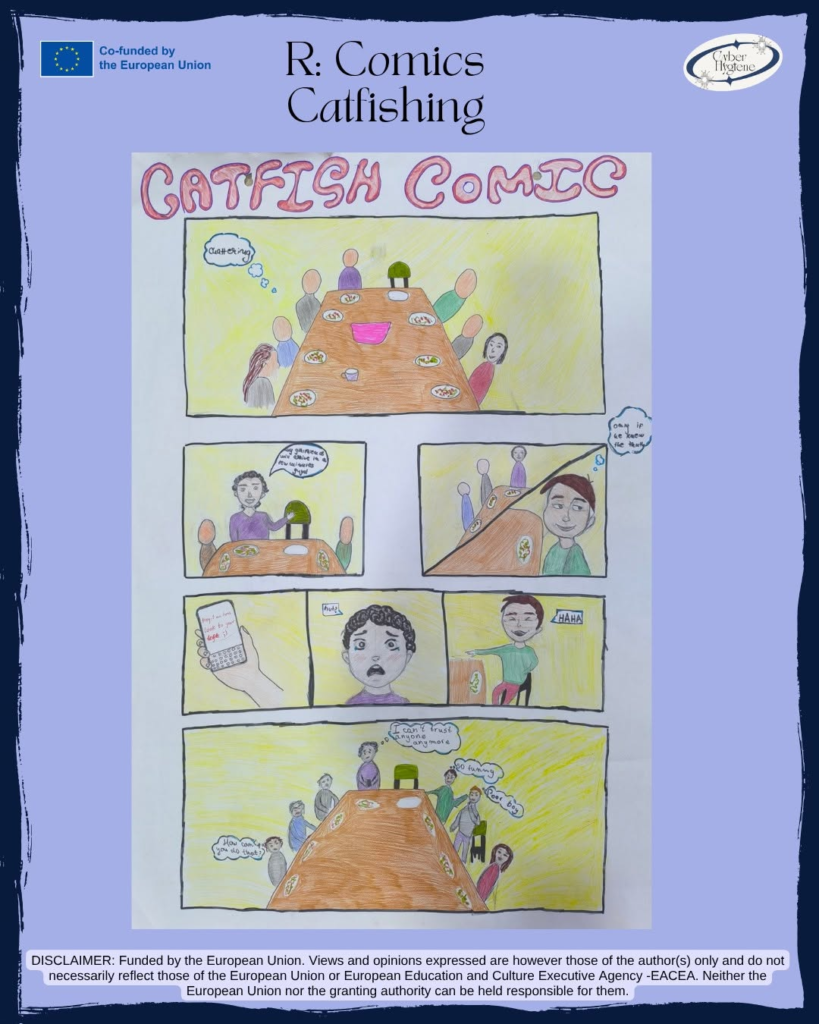
🎨 The Cyber Scenarios Comic Series
Seven comics, drawn by hand and then illustrated digitally, each telling a short story that turns an abstract online danger into something a reader can recognise. The series covers catfishing and the warning signs of a fake profile, cyberbullying and its effect on the person on the other side of the screen, identity theft, phishing and the messages designed to look trustworthy, the digital footprint and how long it lasts, the risk of weak passwords — and it closes with an original story of a cybersecurity hero, written from scratch by the participants.
The comics were made deliberately short and visual, so that they can be used with younger audiences in schools, youth clubs and online, where a story lands far better than a warning.
📖 The Pocket Digital Survival Guide
The exchange’s flagship result: a 56-page handbook written entirely by the participants, in ten chapters, as a friendly and practical companion rather than a technical manual.
It opens with cyber security threats — malware, deepfakes, phishing and the rest, explained in plain language — and answers them with cyber security mechanisms: two-factor authentication, firewalls, VPNs, backups and the “never trust, always verify” mindset. From there it moves through the digital footprint, active and passive, and what it means for a person’s reputation; catfishing and identity theft, with the warning signs and the steps to take when it happens; fake news and misinformation, including the SIFT method for checking a story before sharing it; password management and the habits that actually keep an account safe; AI as both a threat and a tool, and how to use it responsibly; and mental health in the cyber world, with digital wellbeing habits and techniques for stepping back when the screen becomes too much.
Written by young people for young people, it is short enough to read on a phone and specific enough to act on.
Both results are now travelling with the participants back to Germany, Romania, Hungary, Serbia, Bulgaria and Türkiye, where they will be shared through local events, presentations and online — reaching young people who never set foot in Bansko.
Pocket guide: Cyber Hygiene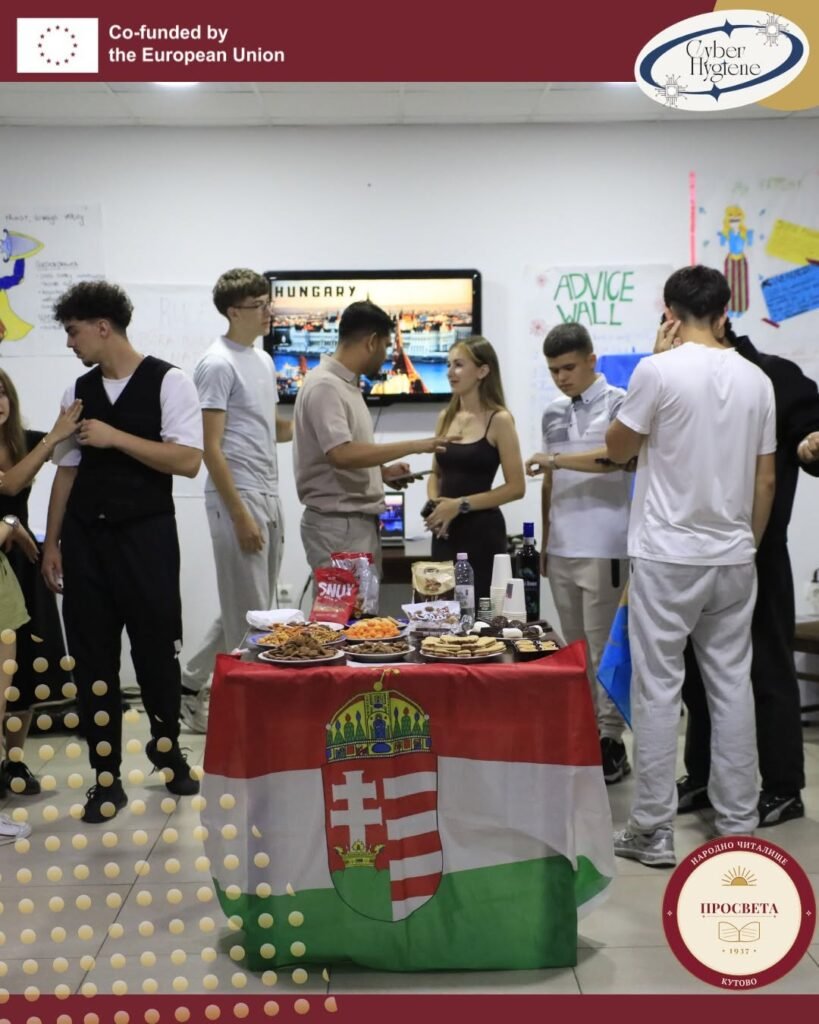
A week is short. The habits are simple, and they last: check before sharing, think before posting, protect what is yours — and remember that everything left online has roots and branches nobody sees at first.
Six countries. One group. And a lot of young people who will never look at a suspicious link the same way again.
0 Comments