
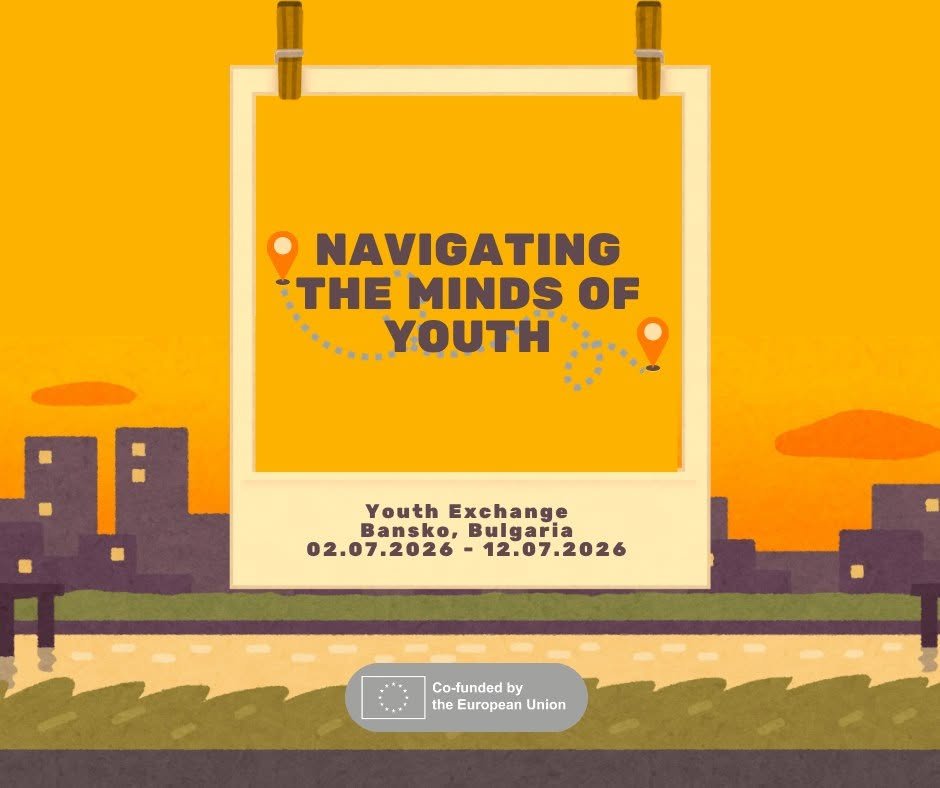
Location: Bansko, Bulgaria
Dates: July 2 – July 12, 2026
In a world where the average attention span of young people has dropped to just 8 seconds, and daily screen time averages between 4.2 and 6.5 hours in partner countries, how often do we truly stop and pay attention?
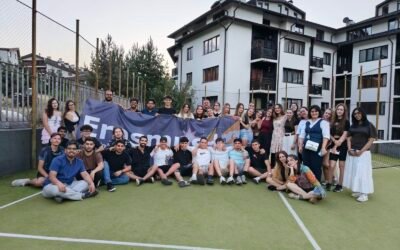
This summer, 42 young participants from Bulgaria, Serbia, Türkiye, Italy, Poland, and Romania gathered in Bansko, Bulgaria, for the Navigating the Minds of Youth exchange. The goal? To explore the impact of digital overload, understand decreasing attention spans, and find practical ways to become more present in our fast-paced world.
The Project Background & Partners
Funded as part of the Erasmus+ Key Action: Learning Mobility of Individuals, this initiative (Project ID: 2025-3-BG01-KA152-YOU-000372327) was made possible by a contribution from the European Commission.
The project was led by the Bulgarian coordinator, НАРОДНО ЧИТАЛИЩЕ “ПОСТОЯНСТВО – 1927 г.”, in strong collaboration with five international partners:
- Romania: Start Taking Action, Kindle Evolution
- Türkiye: Yaygin Egitim ve Genclik Calismalari Dernegi
- Italy: ARES ASD
- Serbia: Nucleus
- Poland: Fundacja Amba
Our core objective was to equip youth with evidence-based strategies for improving focus and mental well-being, ensuring that at least 80% of participants demonstrated improved attention span, focus, concentration, and social skills by the end of the program.
How It Went: The Journey to Digital Balance
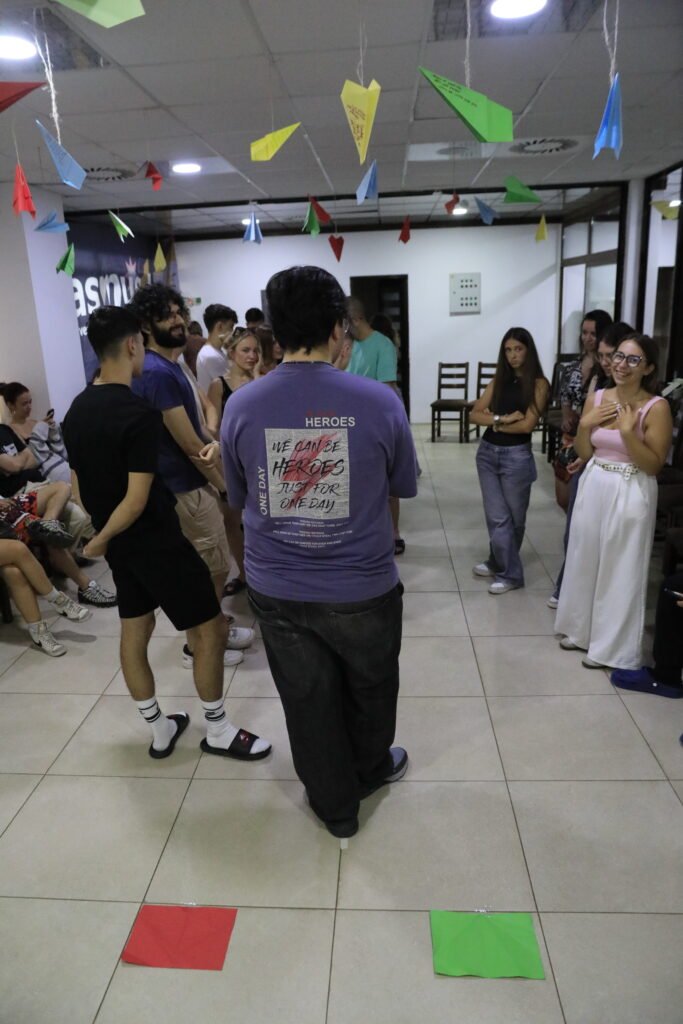
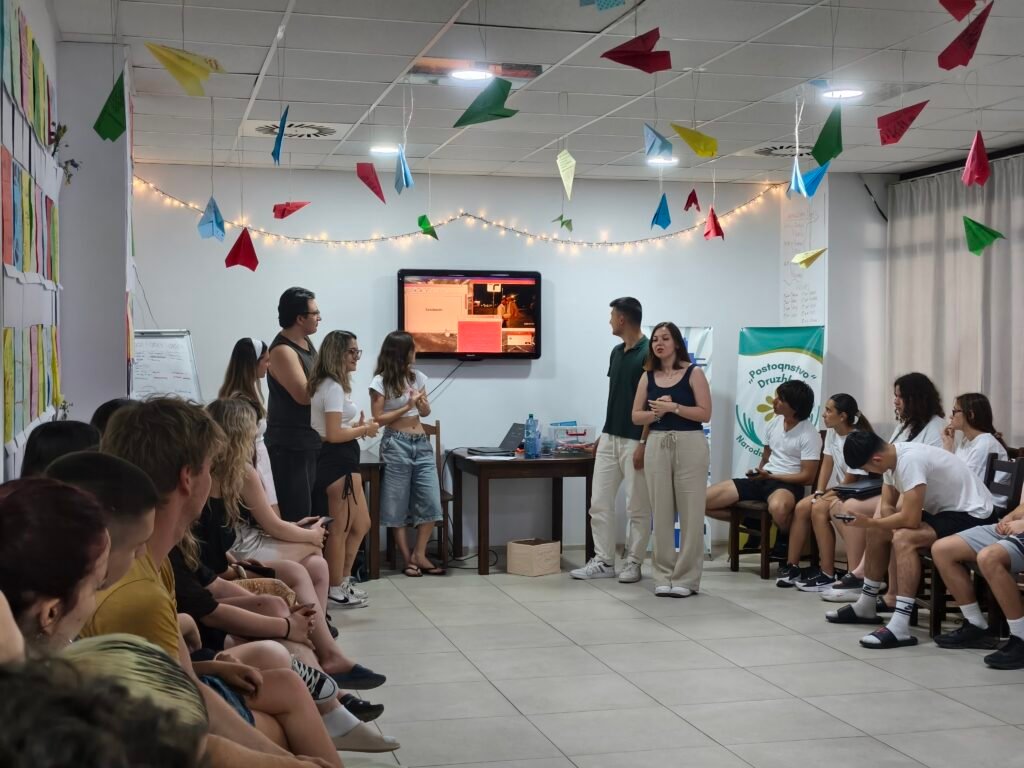
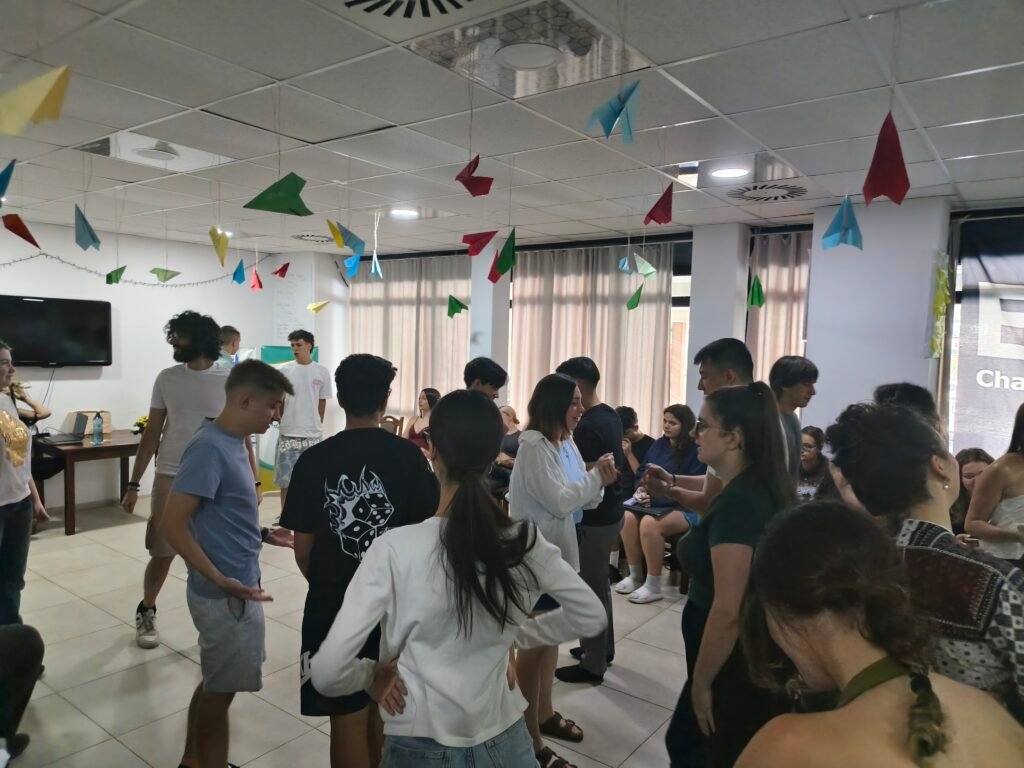
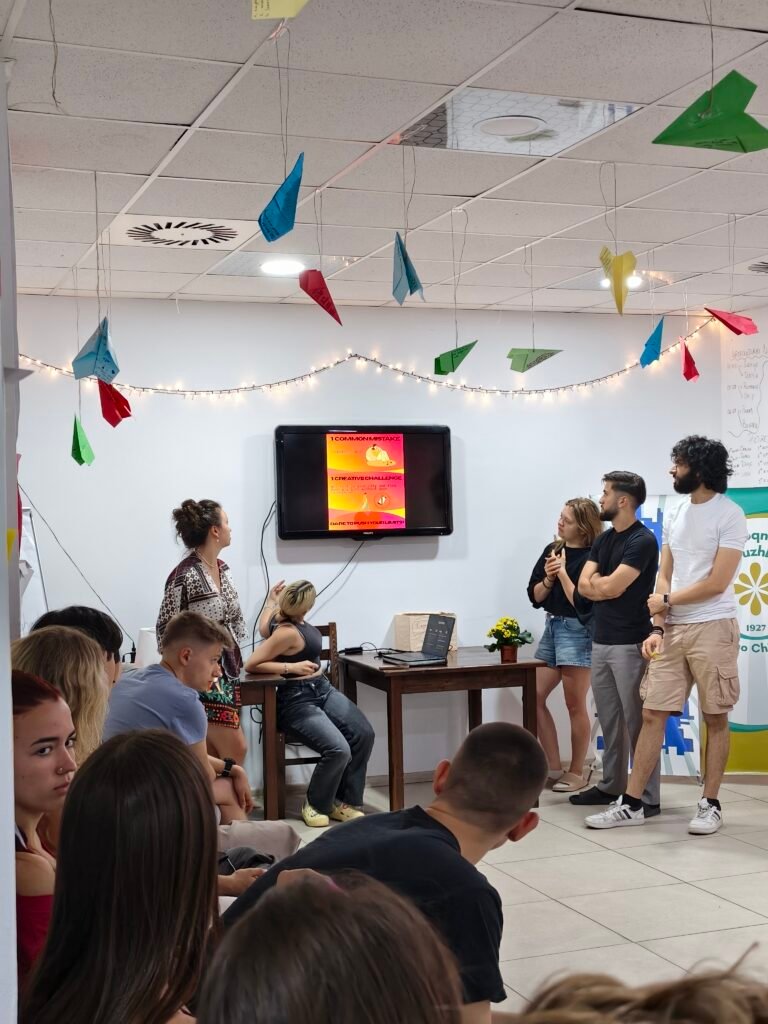
The early days of the project were dedicated to turning the spotlight on ourselves. Through interactive workshops, participants challenged common beliefs about screen time, analyzed how algorithms shape what we see, and reflected on what keeps us focused versus what distracts us.
We didn’t just sit in a classroom! To truly understand focus, we stepped into real-life scenarios through theatre and embarked on a phone-free hike in nature. Working in teams, participants observed details they would normally overlook, experiencing firsthand how disconnecting from technology helps us reconnect with the present moment.
Moving beyond the screens, we dove deep into human connection. Through storytelling and creative group sessions, we explored how increased screen time impacts essential social skills like empathy, active listening, and face-to-face communication. We learned about the opportunities offered by Erasmus+ and the value of Youthpass, all while setting personal guidelines for better digital balance.
A Screen-Free Cultural Exchange
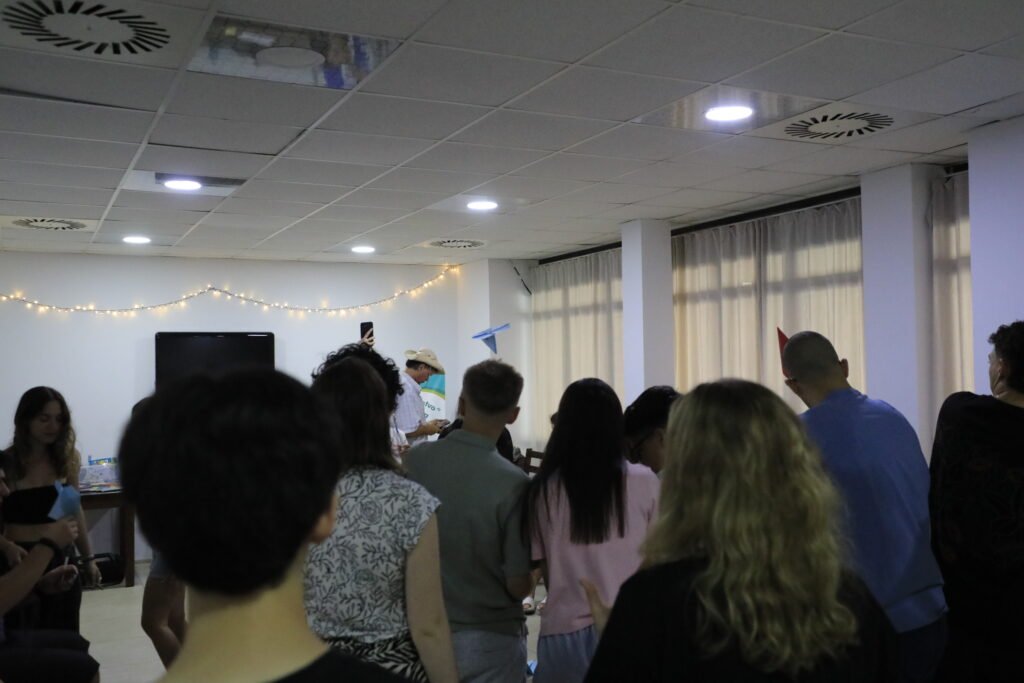
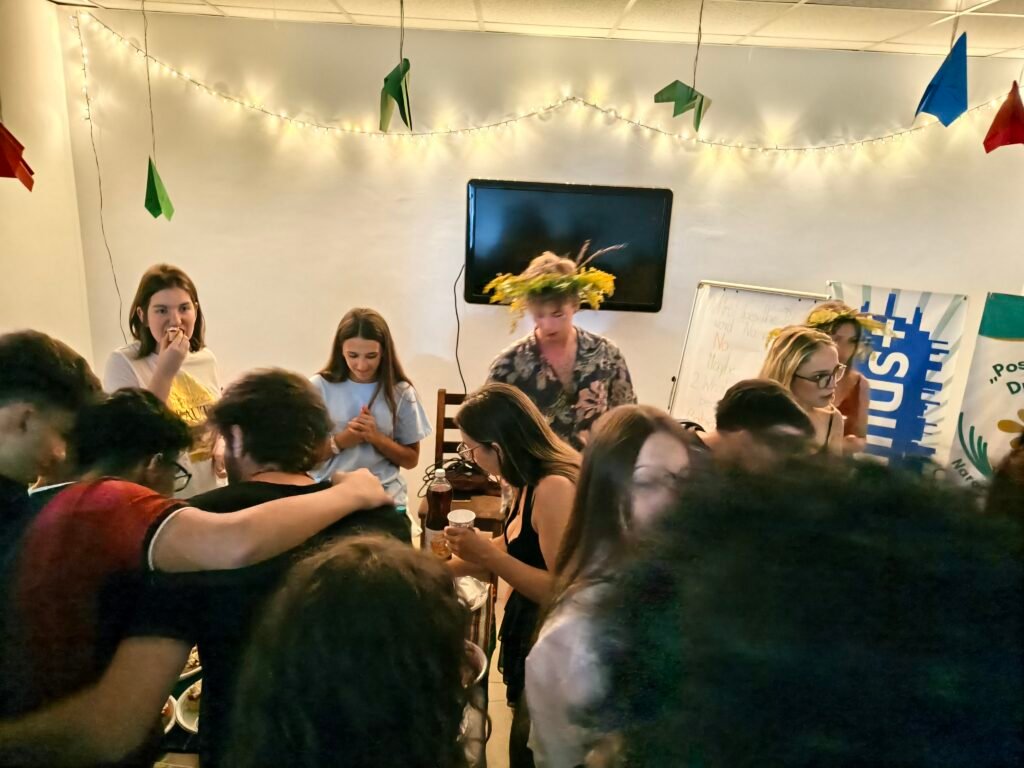
One of the absolute highlights of the project was our Intercultural Nights. Participants from all six countries took turns hosting unforgettable evenings sharing their heritage, traditional dances, food, and unique customs through hands-on games.
To stay true to our project’s core mission, we took on a massive challenge: making all our intercultural nights completely digital-tool free. Leaving slides, projectors, and screens behind pushed us to rely entirely on authentic human connection, active listening, and creative live expression. It was a powerful reminder that the most meaningful cultural exchanges happen when we stay fully present with one another.
Tangible Results: What We Created
Ultimately, this project wasn’t just about identifying the problems of digital overload; it was about finding practical ways forward. Participants turned their ideas into action, culminating in the Focus Youth Online Forum, where we shared our final creations with friends, family, and stakeholders worldwide.
Here is what the youth teams created to share their knowledge with the wider community:
1. The Digital Awareness Posters
Our participants designed a series of informative Canva posters to inspire other young people to build healthier digital habits. The series included:
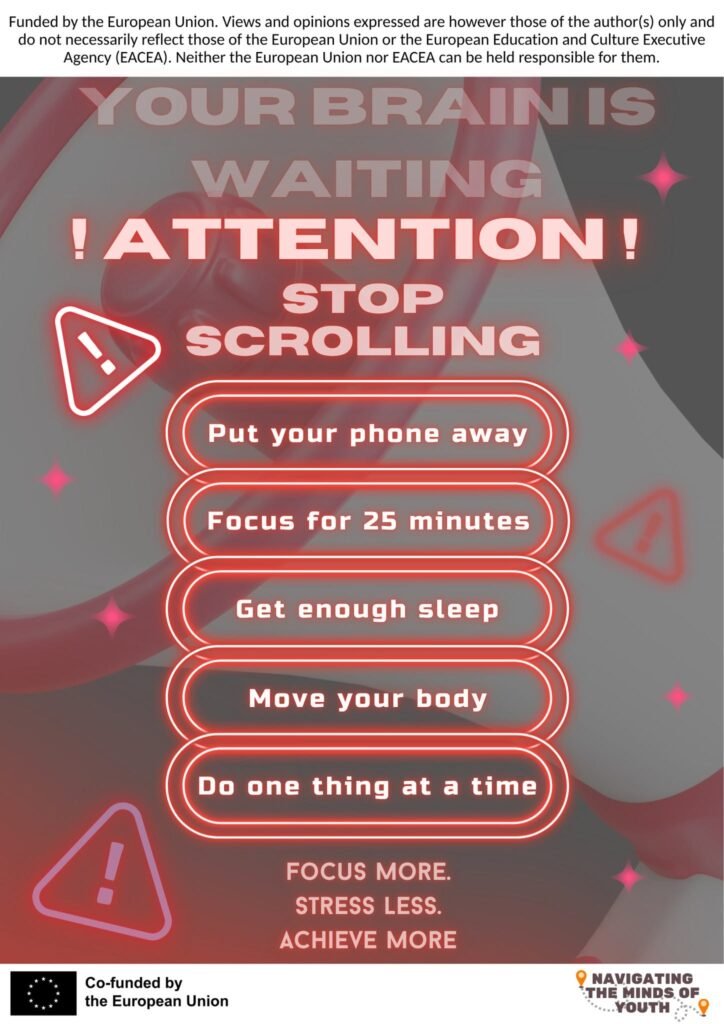
- 5 Tips on How to Improve Attention Span: Regaining focus by putting phones away, using 25-minute intervals, getting sleep, staying active, and single-tasking.
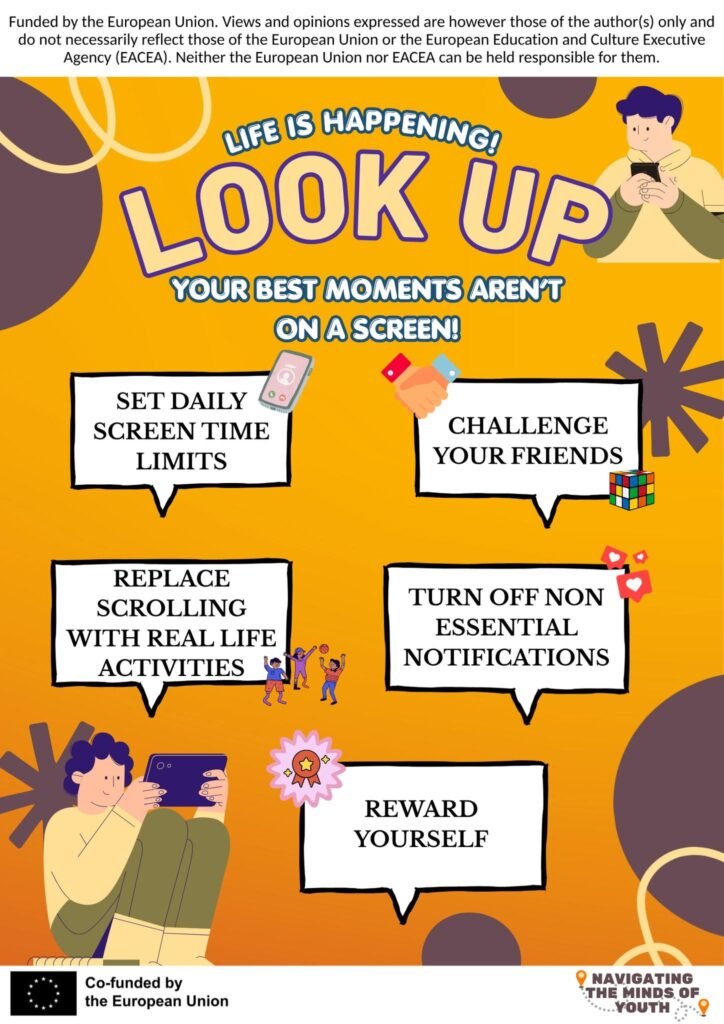
- 5 Tips on How to Reduce Screen Time: Setting limits, replacing scrolling with real-life activities, and turning off unnecessary notifications.
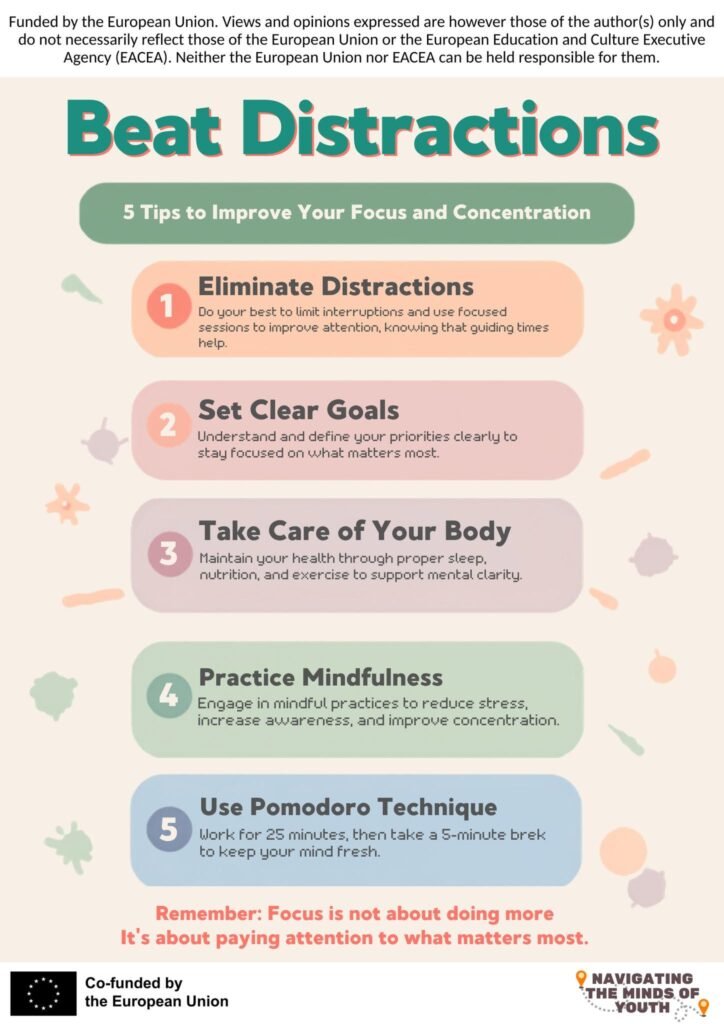
- 5 Tips on How to Improve Focus and Concentration: Reducing distractions, setting goals, practicing mindfulness, and using the Pomodoro technique.
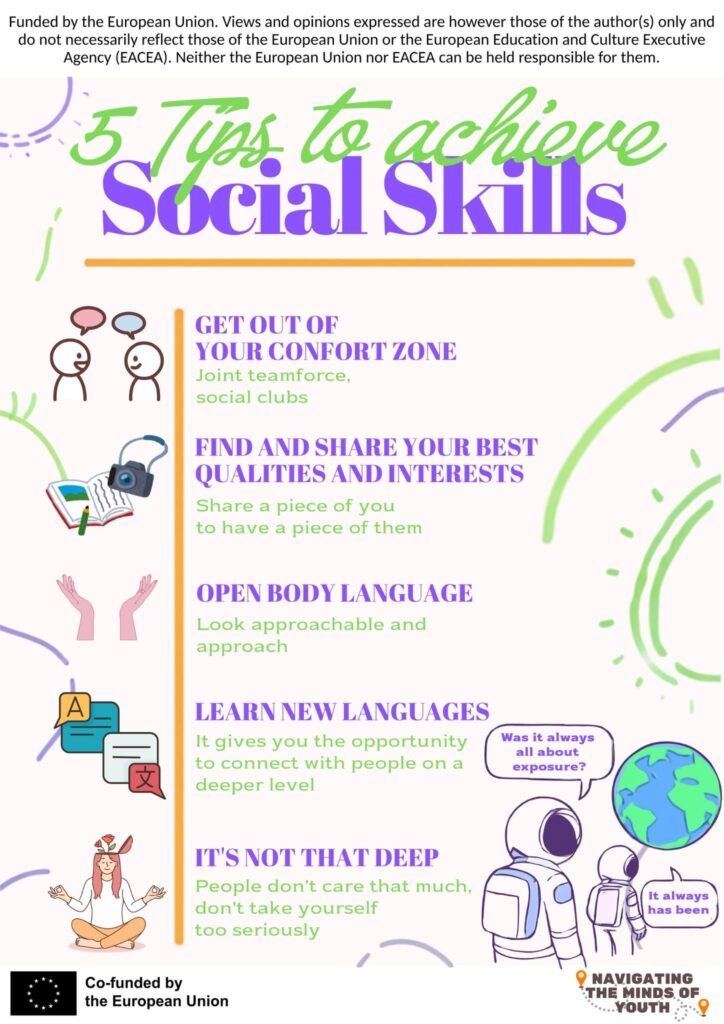
- 5 Tips on How to Improve Social Skills: Stepping outside comfort zones, connecting with others, and exploring new interests and languages.
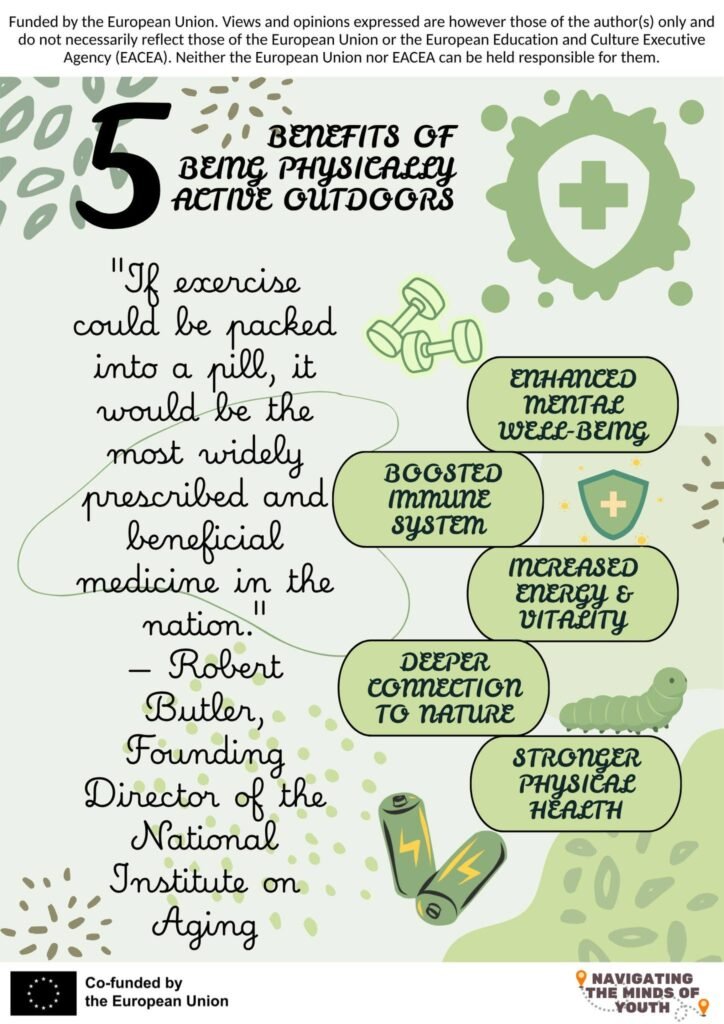
- 5 Benefits of Being Physically Active Outdoors: Boosting mental wellbeing, energy, immunity, physical health, and connection with nature.
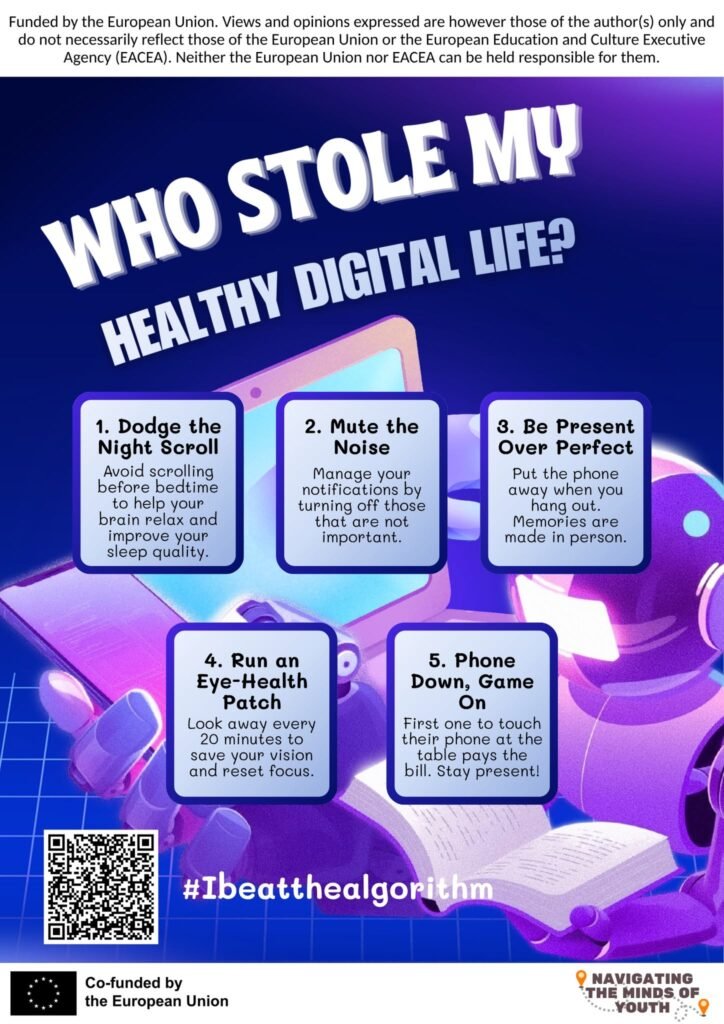
- 5 Healthy Digital Habits for Everyday Life: Avoiding late-night scrolling, protecting our eyes, and being more present with others.
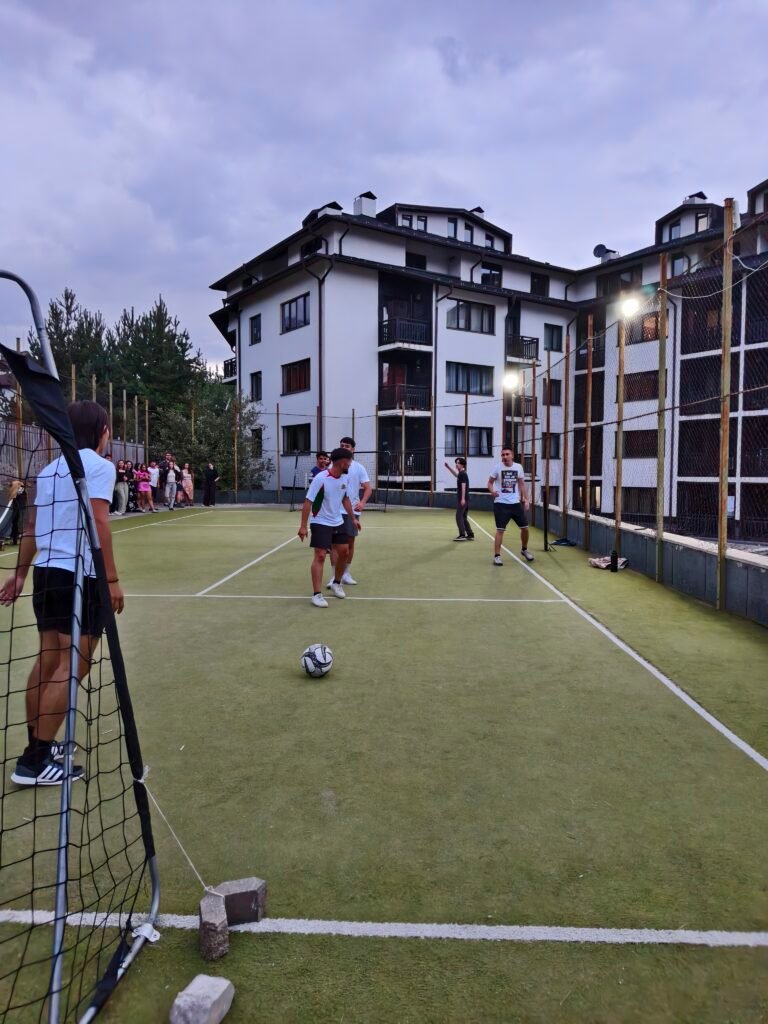
2. Screen-Free Outdoor Games (Video Series)
To promote physical activity and reduce screen time, participants developed, filmed, and shared six unique outdoor games:
- Team 1: A strategic game where teams guess a secret object via “yes or no” questions. Correct guesses earn a chance to score by throwing a rock into a target box.
- Team 2: A cooperative language-learning game. Players get an English word, hunt for hidden translation cards, and use hidden letters to form a final secret word.
- Team 3: A logic and movement game where specific physical movements (squat, jump, dance) are assigned to hidden objects. Opposing teams must observe the movements to deduce the secret sequence.
- Team 4: A deduction game played on a shared grid. Teams select colored slots to uncover clues and use logical teamwork to deduce a secret underlying theme.
- Team 5: A memory and agility challenge where players memorize personal facts about their peers to earn stones. Once collected, they must answer a final question and race to build a stable stone tower.
- Team 6: A three-part mini-game challenge featuring the “Paper Towel” water cup pull, a hidden object “Memory Challenge,” and a physical “Balance Challenge.”
https://www.facebook.com/profile.php?id=61590369406826
The Final Chapter
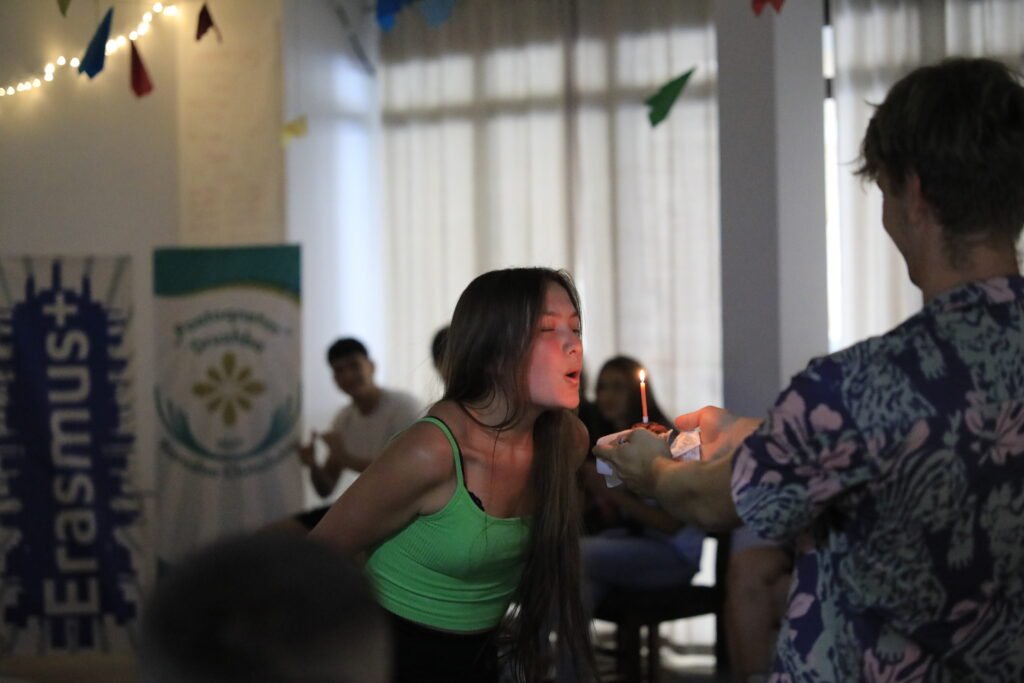
We wrapped up our journey by reflecting on our growth through Youthpass, revealing our “secret friends,” and connecting through symbolic farewell activities.
From the opening workshops to the final goodbyes, the Navigating the Minds of Youth exchange was a massive success. Participants walked away with new skills, significantly reduced screen time, and lifelong friendships across Europe. We proved that sometimes, the best way to navigate our minds is simply to slow down, put the phones away, and truly notice the world around us.
Thank you to everyone who followed our journey, and to all the participants and partners who made this Erasmus+ experience unforgettable!
0 Comments