
New Training Programs to Support Girls in Sport and Physical Activity
The FLOW project (Female Empowerment and Learning Opportunity for Well-being) brings together partner organizations from Germany, Turkey, Bulgaria, and Serbia. The project is co-funded by the Erasmus+ Programme (KA220-YOU – Cooperation Partnerships in Youth) and focuses on supporting girls aged 13–19 in sport and physical activity.
The main aim of the project is to better understand the barriers that girls face in sports and to provide tools and knowledge that help youth workers, coaches, teachers, and educators create more inclusive and supportive environments for girls.
During the project, partners conducted research at the European level to better understand the needs of two main groups: girls aged 13–19 and professionals who work with them. The research explored topics such as participation of girls in sports, communication between young people and professionals, and the influence of menstrual health on physical activity.
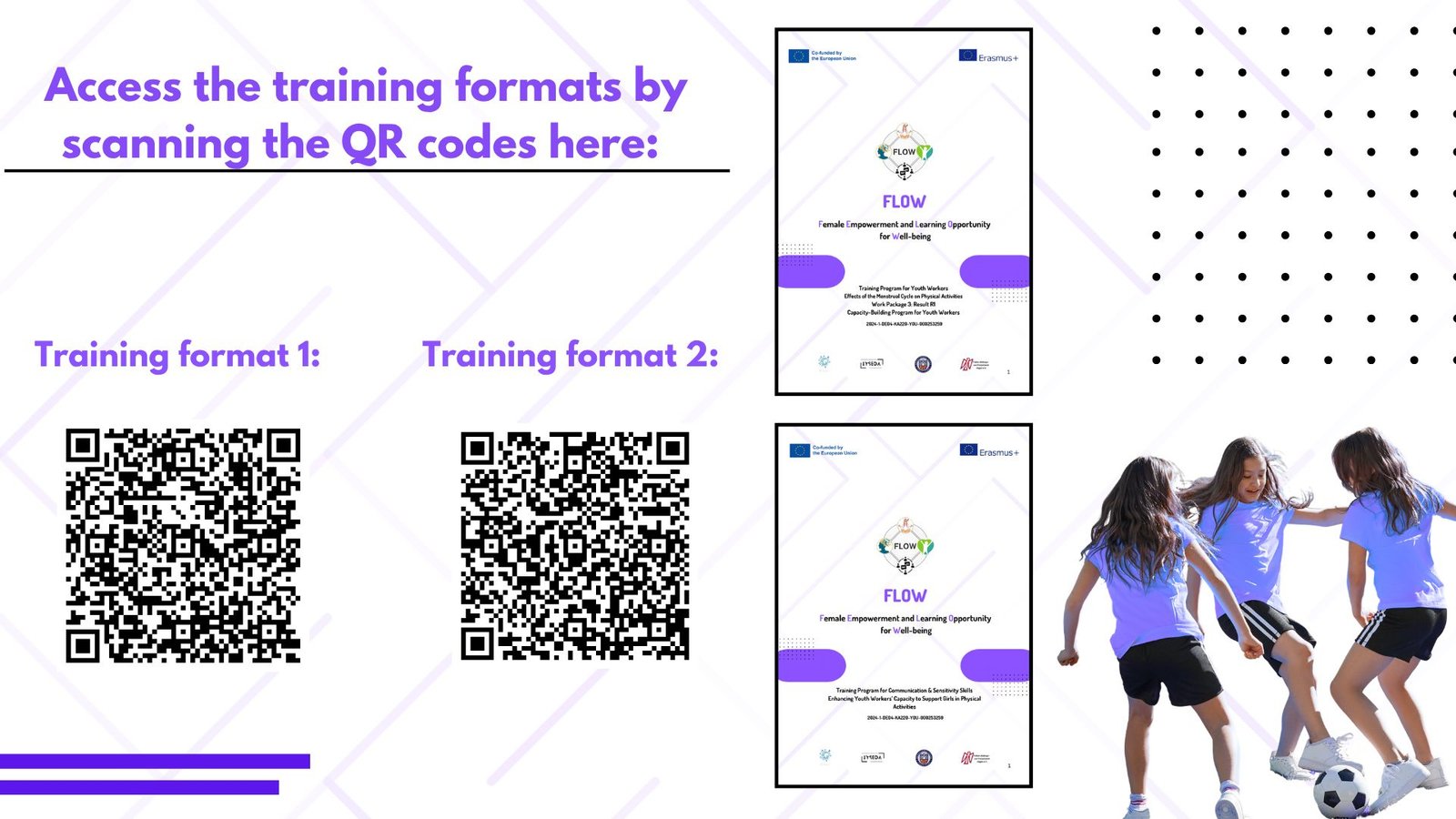
Based on the results of this research, the project partners developed two training formats designed to support professionals who work with girls in sports and physical activity.
Training Format 1
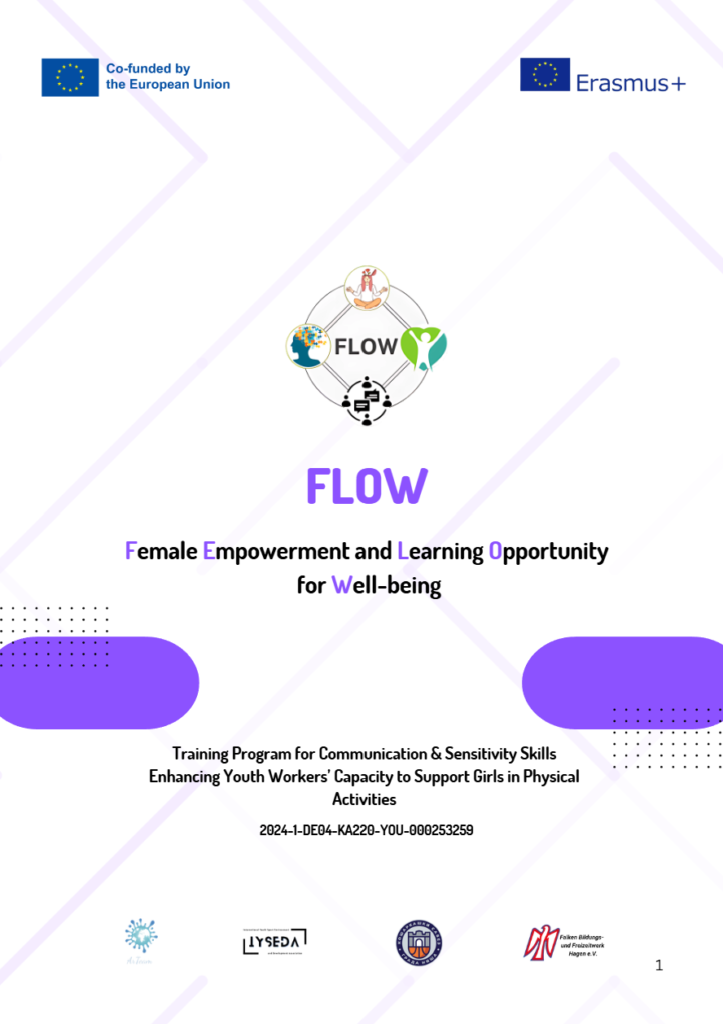
The first training format focuses on communication and sensitivity skills when working with girls. It provides youth workers, coaches, and educators with practical tools to address sensitive topics such as gender stereotypes, cultural barriers, and menstrual health. The training also helps professionals create safe spaces for discussion, build trust with girls, and encourage their participation and confidence in sports.
The second training format focuses on the effects of the menstrual cycle on physical activity. It provides practical knowledge about how different phases of the cycle can influence girls’ energy levels, motivation, and physical performance, and offers guidance on how training and physical activities can be adapted to better support girls’ needs.
Both training formats were developed with the aim of supporting professionals in creating more inclusive, understanding, and supportive environments where girls feel confident to stay active and participate in sports.
Funded by the European Union. Views and opinions expressed are however those of the author(s) only and do not necessarily reflect those of the European Union or the European Education and Culture Executive Agency (EACEA). Neither the European Union nor EACEA can be held responsible for New Training Programs to Support Girls in Sport and Physical Activity
0 Comments